Understanding the Amazon Business Solutions Agreement Update and What It Means for Sellers
Expert advice, strategies, and the latest trends in Amazon selling and eCommerce growth.
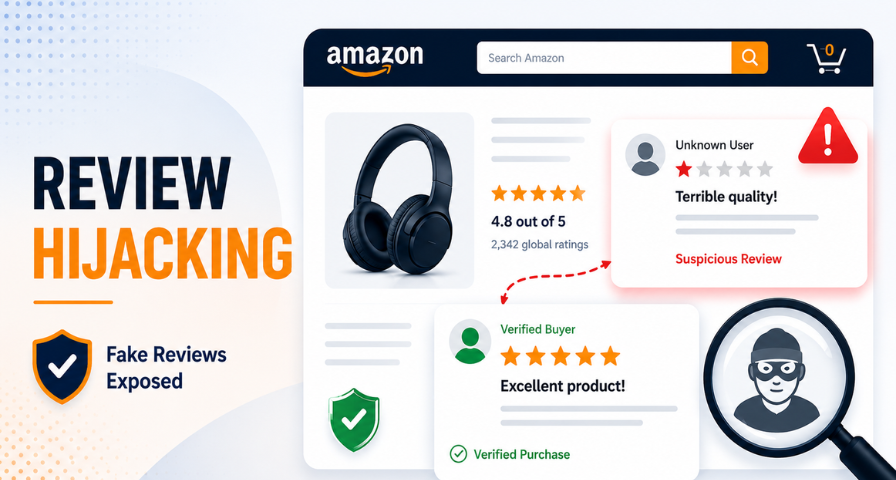
The new guidelines for sharing reviews announced by Amazon will bring changes in the way many listings appear overnight, and for some sellers, things will become uncomfortable. However, one thing is evident. The reviews posted should relate to the product for which the purchase has been made, and differences should indicate real likenesses.
Read More
“The best Amazon sellers of 2026 will be the ones that have artificial intelligence as an aid and not as a replacement for thought,” Patrick comments. ‘They will have computers handle data and mundane tasks. That would enable them to have a better understanding of customers and work on establishing their brand and profit-oriented decision-making.’ “
Read More
Product research in 2026 requires more than charts and estimates. Data still matters, but it should guide exploration, not make final decisions. Sellers who combine numbers with real customer insights, off-Amazon behavior, and brand strategy are far more likely to build sustainable products instead of short term wins. The sellers who adapt their research methods will not just survive crowded markets, they will compete with stronger products and smarter positioning.
Read More
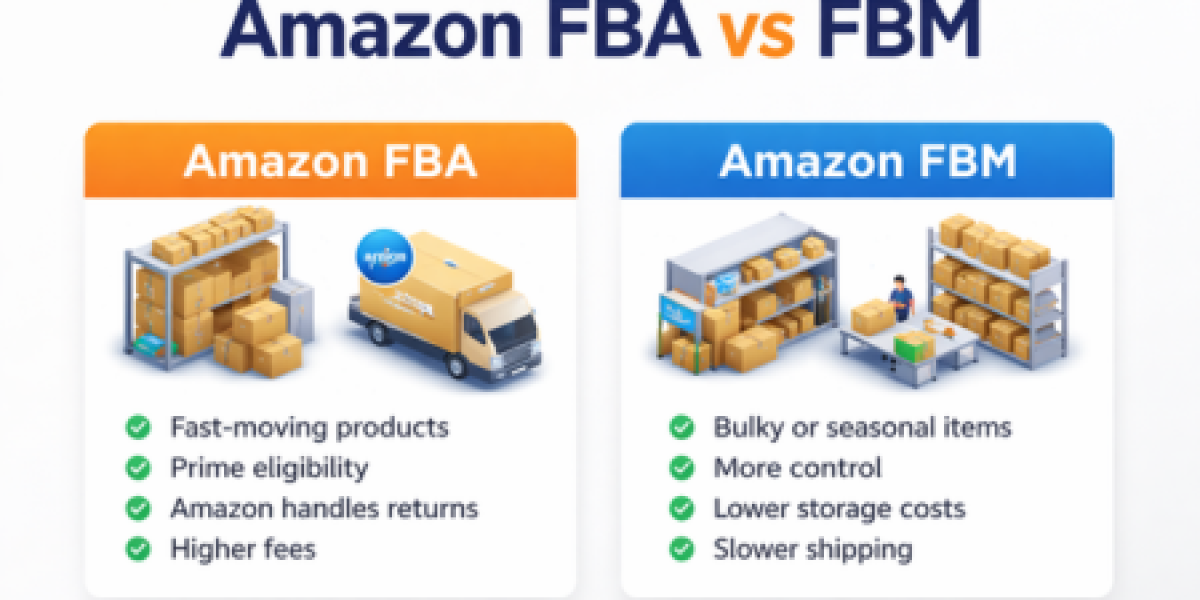
The biggest shift in 2026 is not that FBA is losing relevance or that FBM is making a comeback. It is that sellers are becoming more strategic and less dependent on a single system. The hybrid model allows brands to scale winners, test new ideas safely, control costs, and protect revenue streams at the same time. For anyone serious about building a sustainable Amazon business, mixing FBA and FBM is no longer a backup plan, it is becoming the standard operating model.
Read More
Amazon PPC is still one of the most powerful tools sellers have. It just no longer rewards outdated habits. The era of spending first and fixing later is fading. In its place is a system that values clarity, structure, and fast decision-making. For sellers and PPC managers, the takeaway is simple. If your strategy has not changed since last year, it is probably costing you money. 2026 is not about doing more. It is about doing better.
Read More
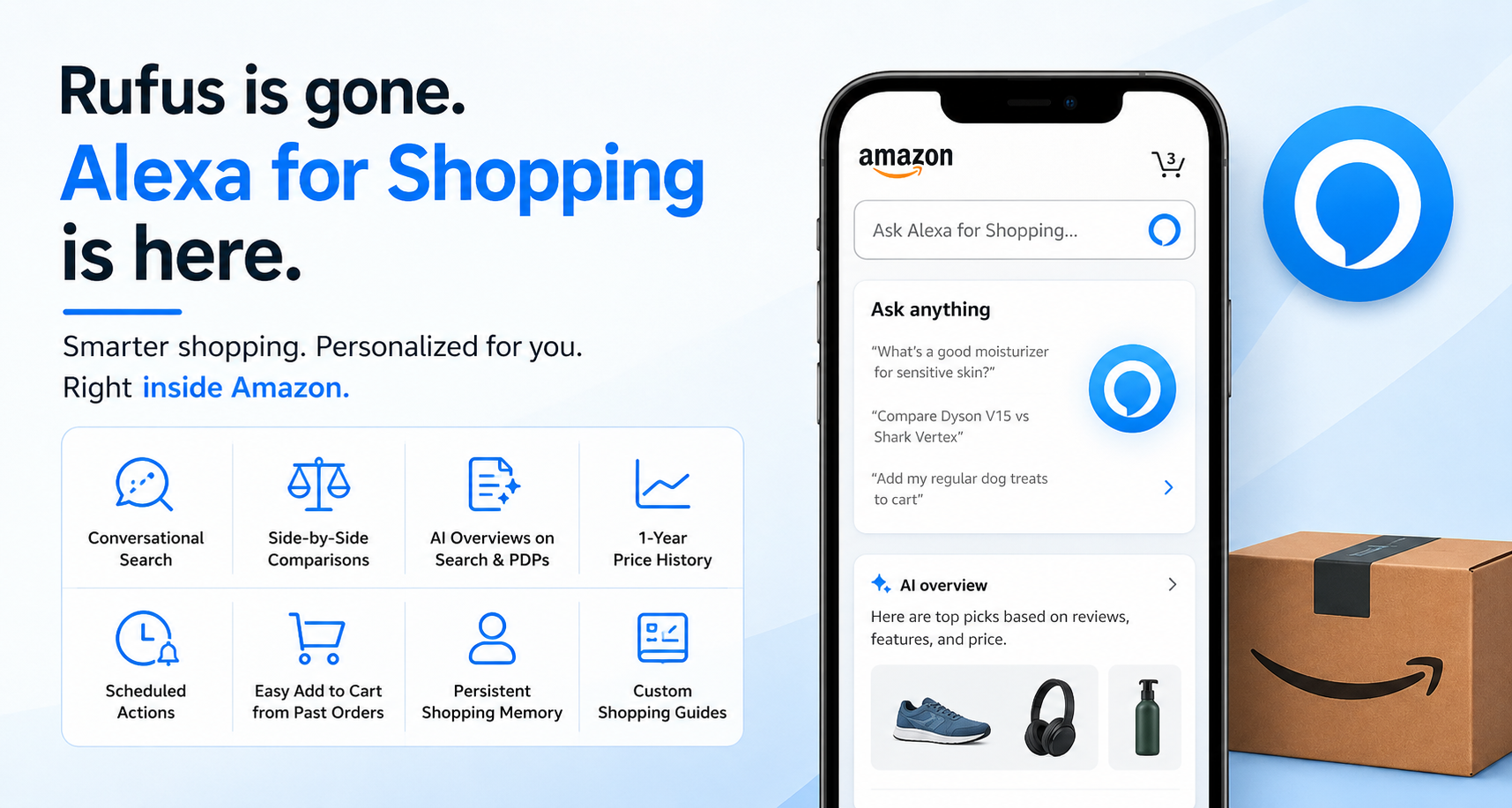
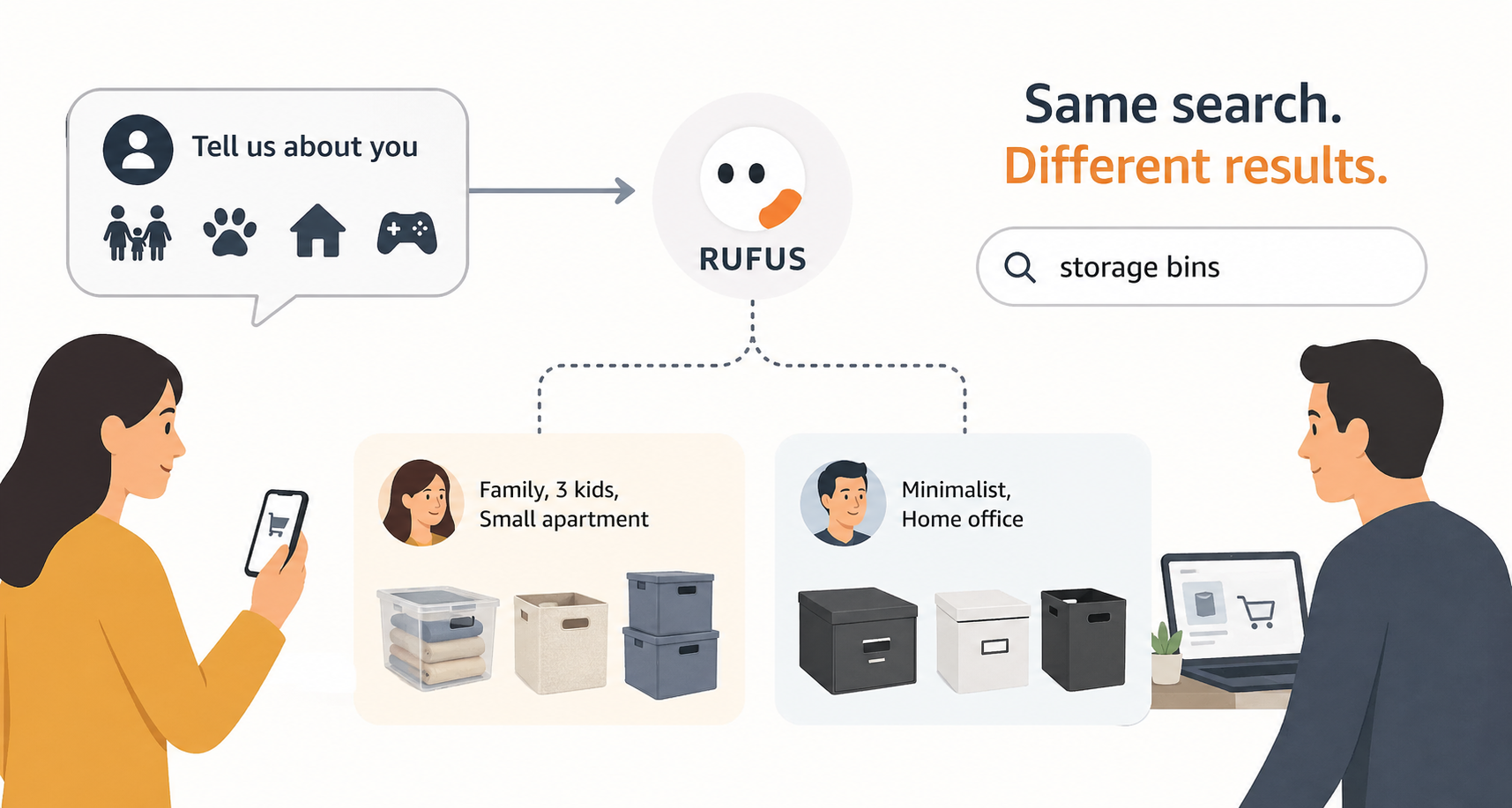
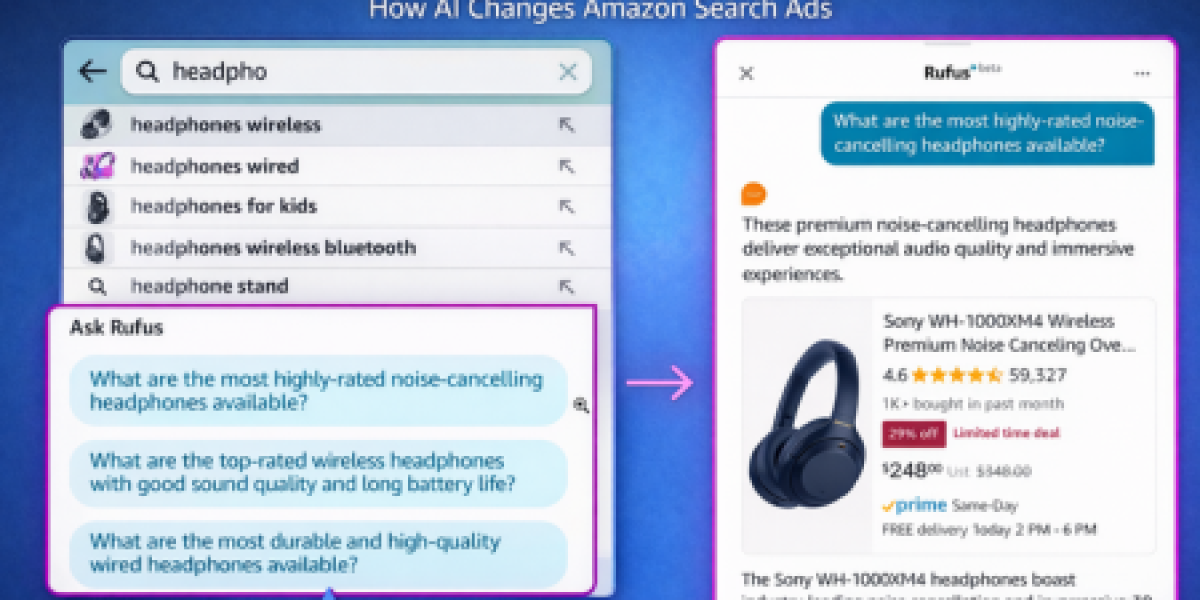
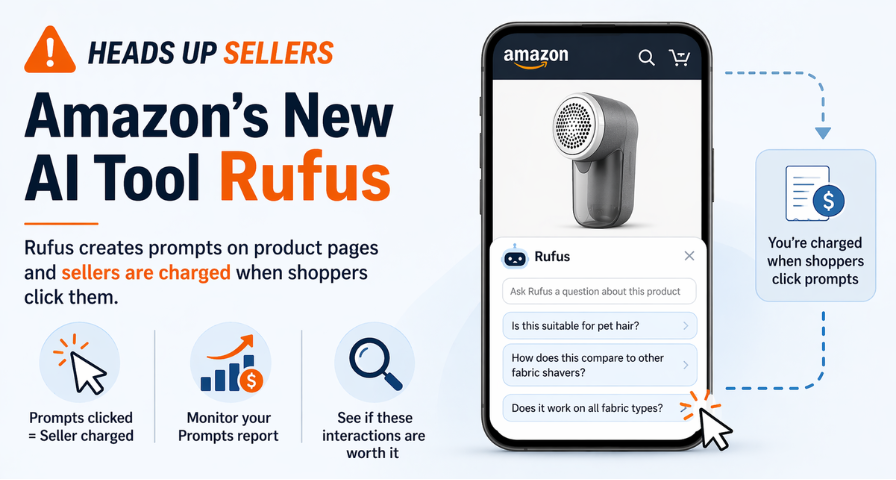
Amazon Rufus AI is among the most significant developments in Amazon PPC in recent years. The new tool has managed to redefine the search process among customers, the layout of advertisements, and even decision-making on the platform. Although it’s in its infancy, it’s important to note the orientation of Amazon Rufus AI.
Read More
January may look quiet, but it speaks loudly to Amazon’s algorithm. How you handle returns and feedback now determines how much visibility and efficiency you earn later. Instead of asking why ads feel expensive or why sales slowed, January is the month to ask a better question.
Read More
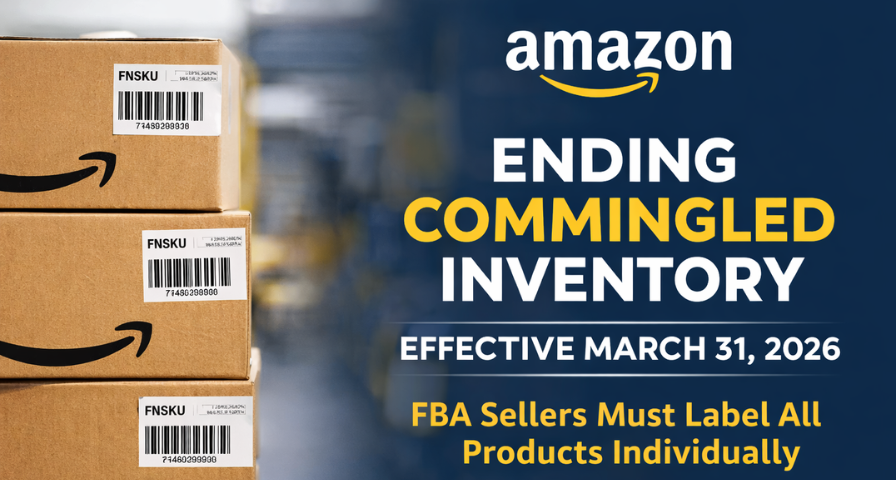
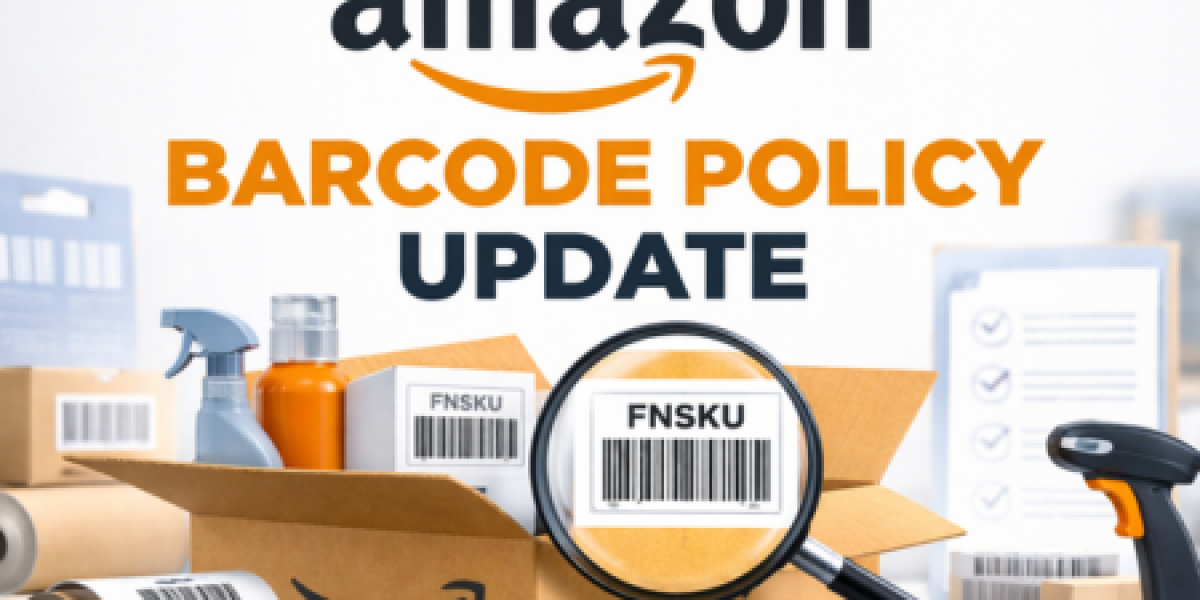
The changes to Amazon barcodes are not simply a technical upgrade but reflect a trend of a greater need for control of product listings and a cleaner funnel of fulfillments. Sellers who get ahead of the curve will minimize disruptions to their systems and keep them lean. Ignoring it will introduce unnecessary hiccups in their interactions with the Amazon Fulfillment Network.
Read More

Amazon is not a person you need to convince. It is a system you need to work with. The faster sellers accept this, the more control they gain over their account health and brand reputation. Stop filing cases based on frustration. Start filing cases based on policy. Learn to speak Amazon’s language, and you will see very different results.
Read More
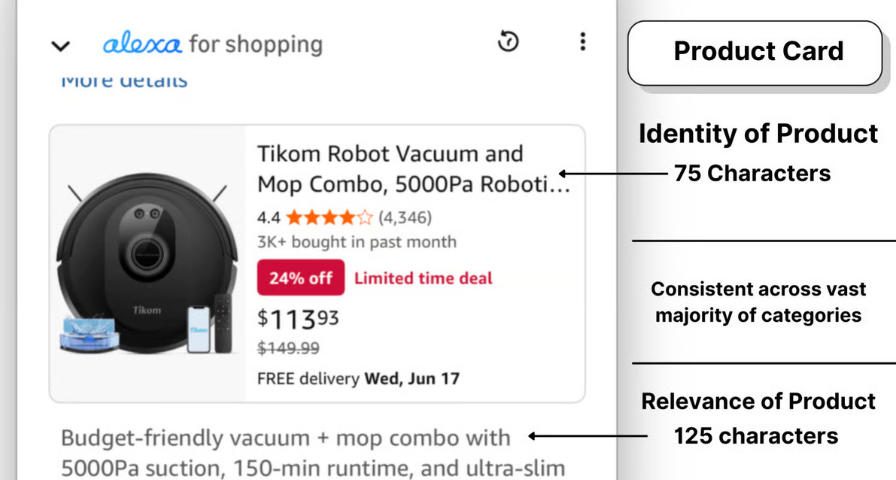
Amazon voice search optimization is less about learning a new trick and more about returning to fundamentals. Clear language, honest benefits, and real customer value are what AI is designed to surface. If a voice assistant had to recommend your product out loud, the question is simple. Would it sound helpful and trustworthy, or forced and overly promotional?
Read More
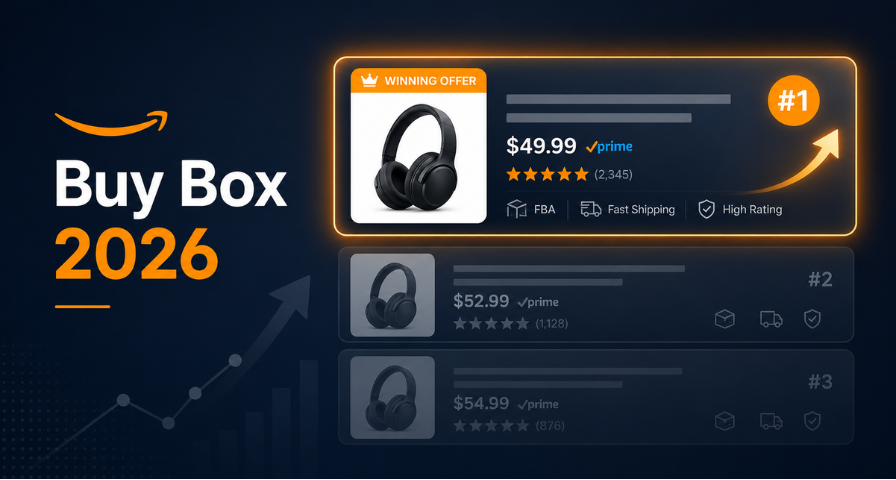
Amazon’s regional Buy Box experiment showed how fragile sales can be when visibility is altered without notice. While sellers cannot control platform experiments, they can control how quickly they detect and respond to them. The key takeaway is simple. If something does not add up, investigate early. Test assumptions, verify availability, and do not rely on a single green checkmark to confirm that your product is truly live everywhere it should be.
Read More
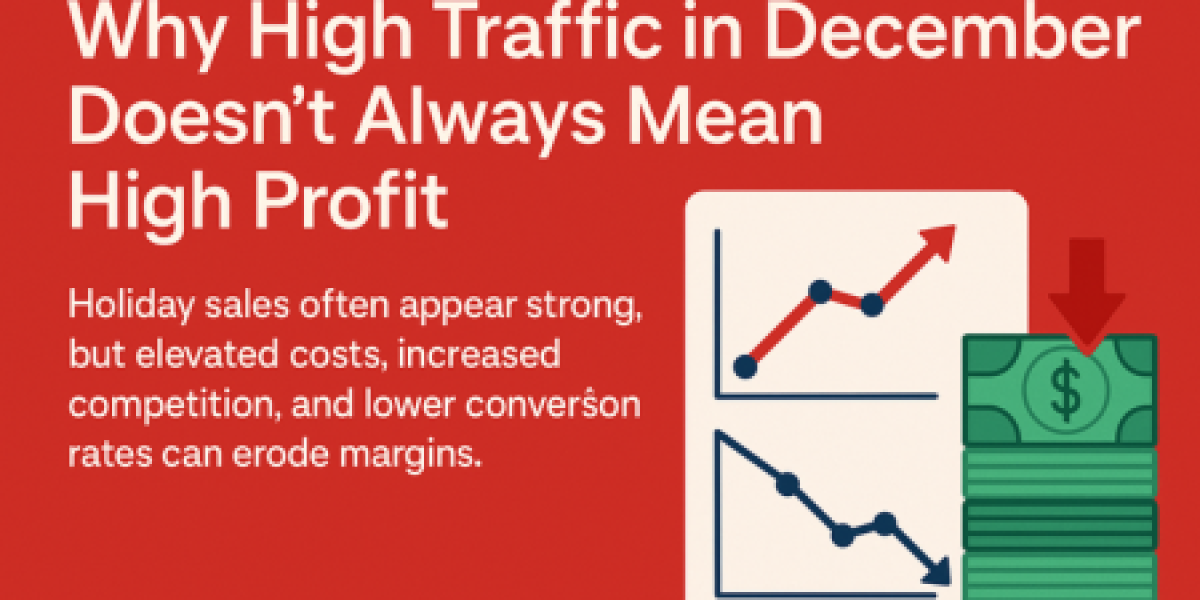
Having more traffic in December is a good thing, but making money is where the truth begins. “Growth at all costs” is not a path to sustained success. The best sellers realize a different truth: December is not a time for aggressive volume-building. December is a time when you have opportunities amidst a high level of demand. As the end of the year approaches, it is important to pose a simple question. Has traffic really enhanced the business or just inflated numbers? Typically, this is what det
Read More
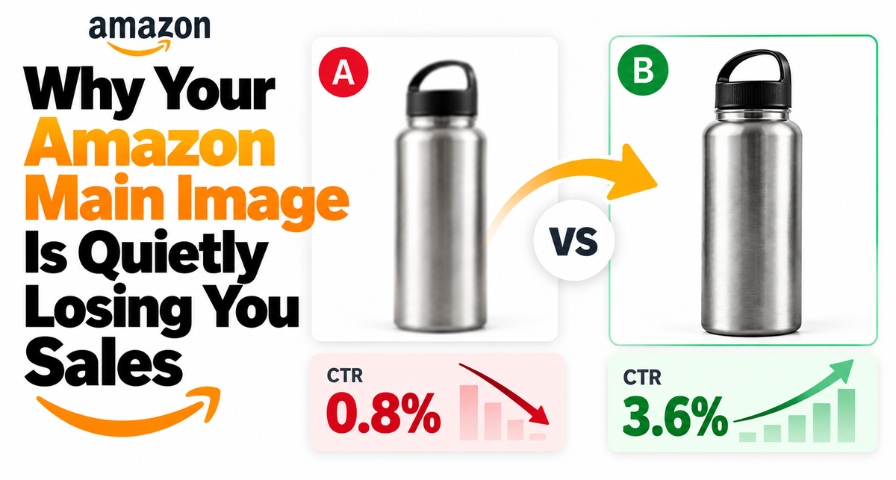
Holiday sales growth does not always come from doing more. Often, it comes from doing one thing better and doing it at the right time. A small image adjustment can unlock significant upside when shopper intent is already high. Before increasing ad spend or running deeper discounts, take 30 seconds to look at your main image through a holiday buyer’s eyes. That one decision could be the difference between average performance and a record season.
Read More
Amazon’s latest pilot program represents a meaningful step toward seamless experiences for FBA sellers. The company is automating the investigation of shipment discrepancies, thus attacking an age-old operational challenge and offering them a path to more efficient ways of managing inventory. It may only target certain items for now, but broader application can be set up.
Read More
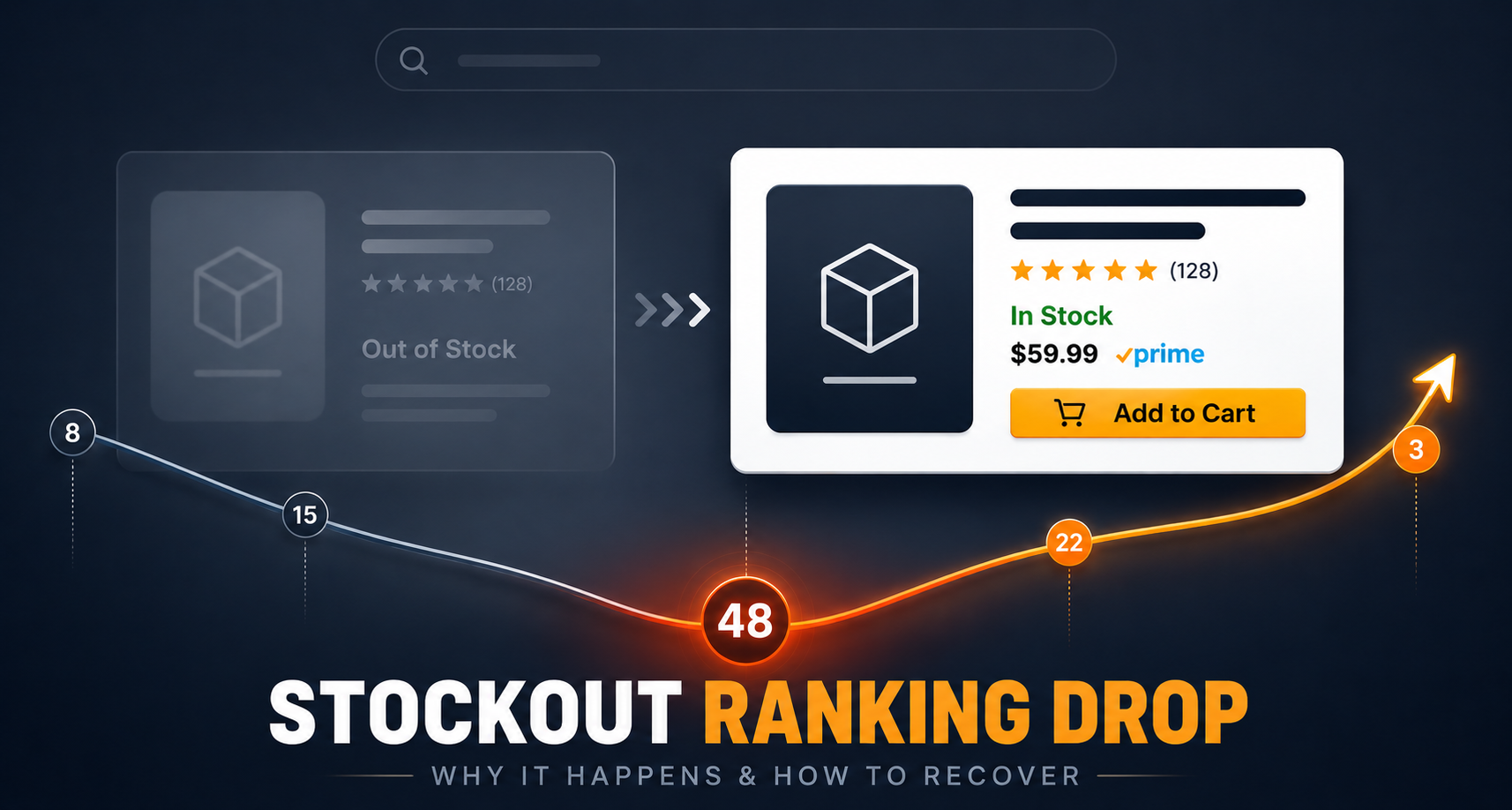
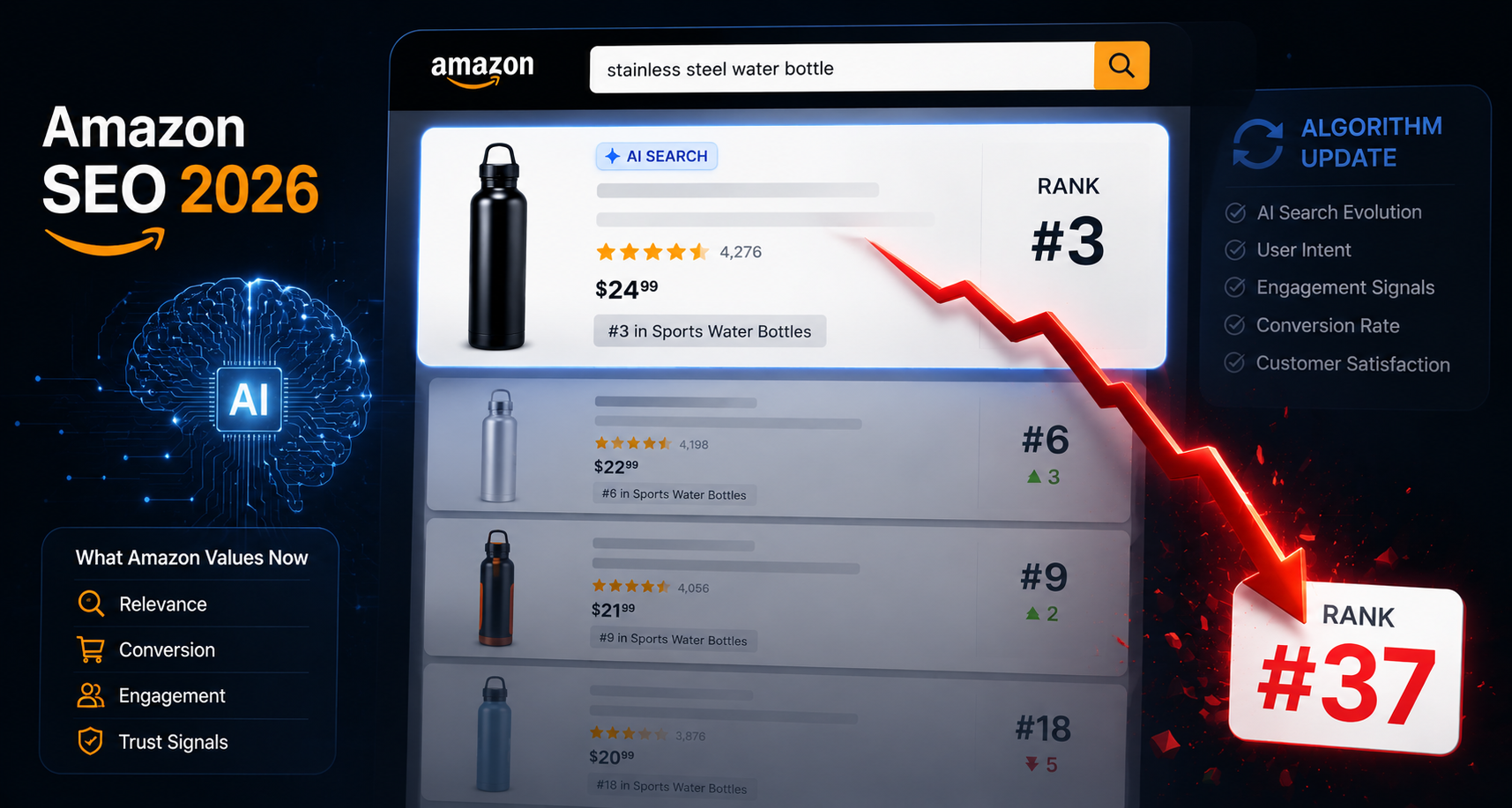
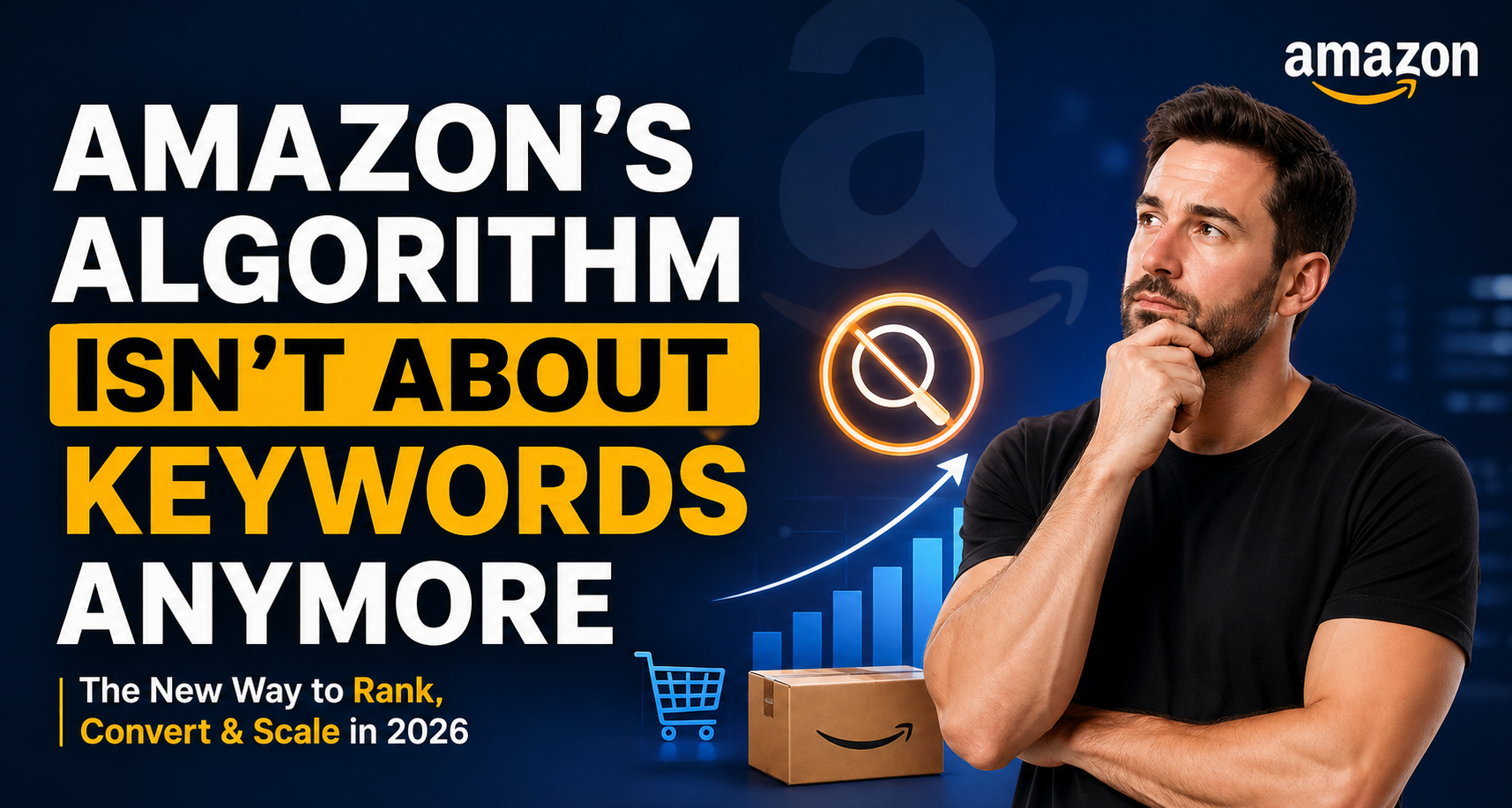
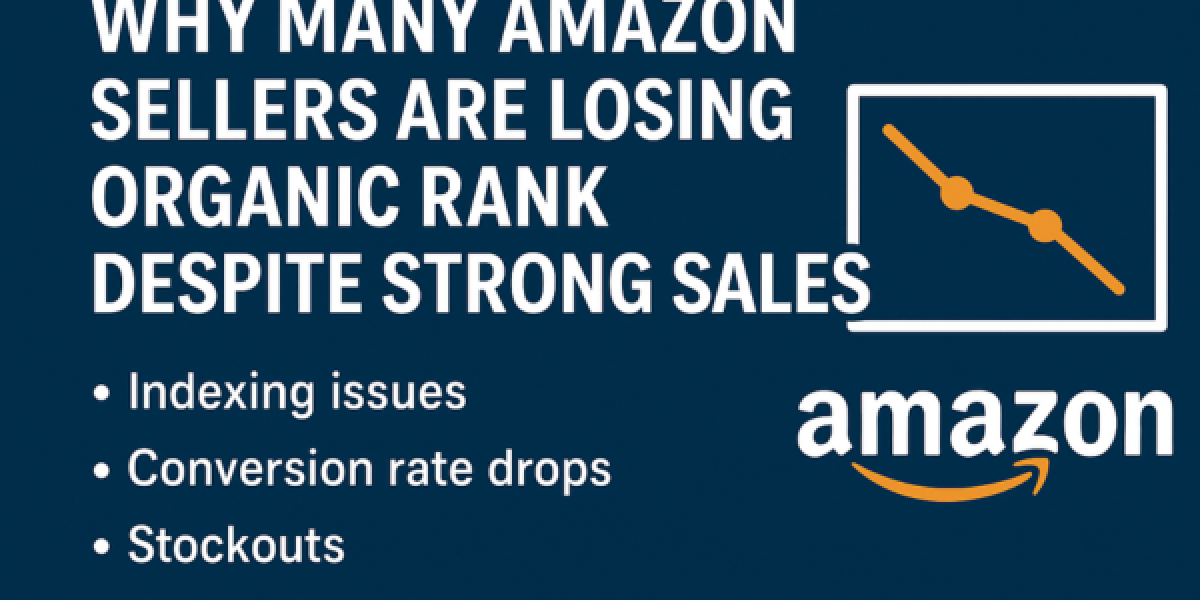
Organic ranking on Amazon is shaped by a mix of technical signals and real shopper behavior. Strong sales can mask underlying issues, but the algorithm always looks deeper. When indexing weakens, conversion rates fall, stockouts occur, or external traffic underperforms, the system adjusts visibility to protect the customer experience.
Read More
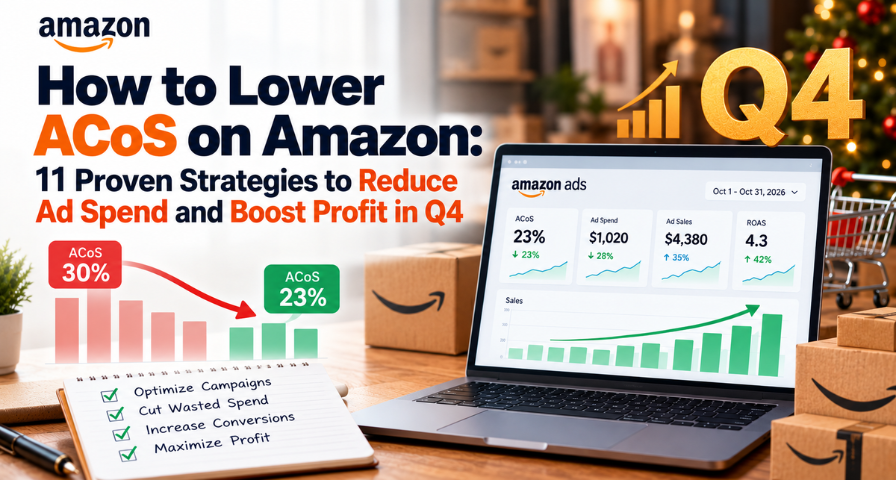
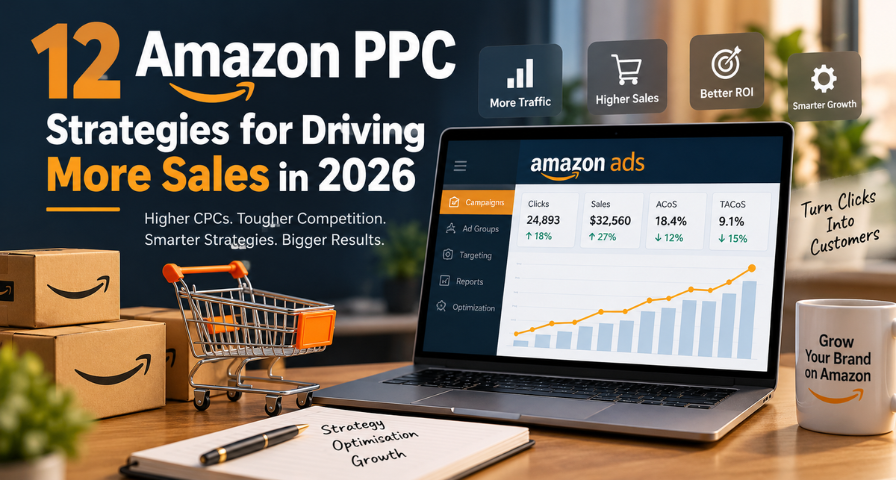
A sharp Amazon PPC is no longer a simple volume game. With rising CPC, tighter competition, and buyers getting smarter, the rules have changed. Disciplined bidding now underpins profit, a sharp keyword strategy, a strong conversion rate, and continuous performance in review. Sellers who continue to chase visibility at all costs will increasingly feel the cash flow and margin squeeze. Those focusing on precision, testing, and optimization will still find room to grow.
Read More
If you’re using a lot of paid ads and general coupons right now, you should consider trying this feature soon. Making small changes to how discounts are offered can help improve sales and profits. The real issue isn’t whether Brand Tailored Promotions work, but why more brands aren’t using them yet.


Read More
If your PPC costs keep rising and your organic sales feel stuck, the solution is rarely more traffic. The solution is better conversion. Your listing is not just a product page, it is your sales machine. When it works properly, PPC becomes cheaper, organic ranking becomes stronger, and growth becomes scalable instead of stressful. Before you increase your next budget, take a hard look at whether your listing truly deserves more traffic.
Read More
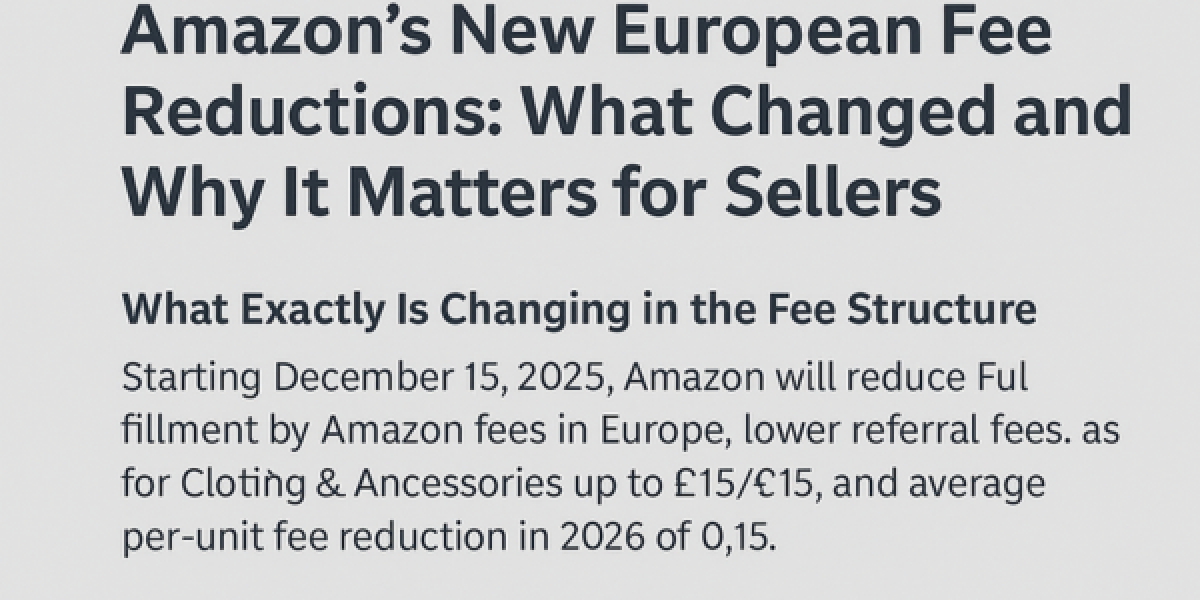
Amazon’s new European fee reductions are more than a routine policy update. They represent a meaningful shift in marketplace economics that can reshape profitability, pricing power, and expansion strategies for thousands of sellers. Those who treat this as a planning opportunity rather than a passive benefit will be best positioned to win in the next growth cycle.
Read More
December is not a time to reduce Amazon PPC efforts; it’s a time to refine them. Brands that keep advertising with a focused approach, adapt to evolving buyer behavior, and optimize based on proven performance typically end the year stronger than those who scale back early. Holiday success is rarely driven by bigger budgets alone. It stems from smart budget management, adaptable keyword strategies, conversion-oriented creatives, and a clear grasp of seasonal intent.
Read More
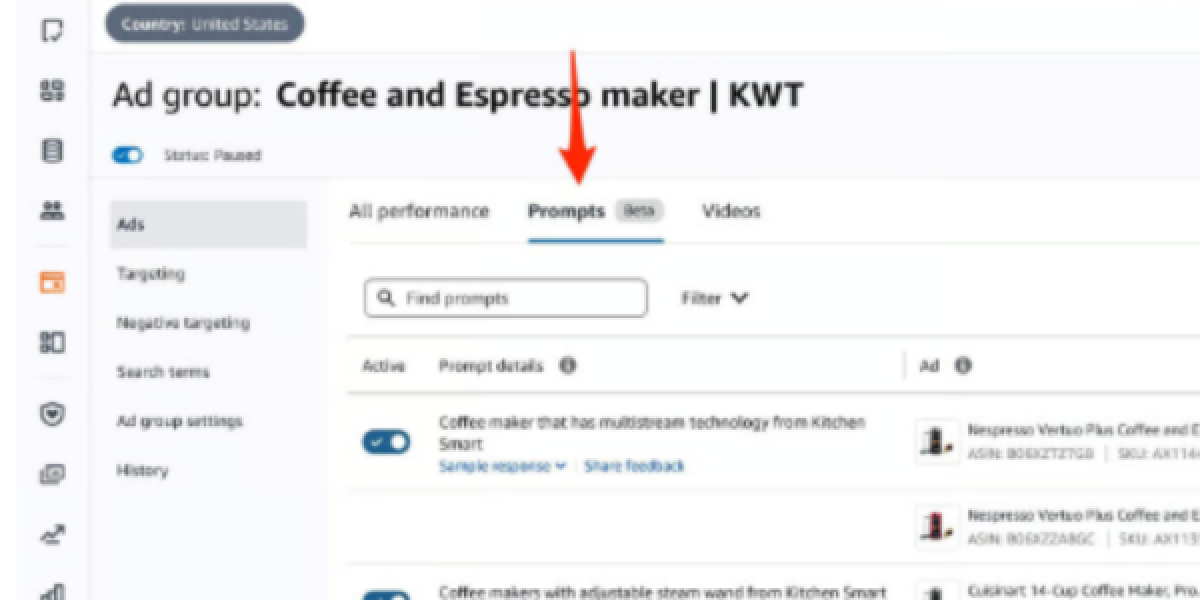
Prompt Ads may not have arrived with headlines, but their impact is already being felt across Amazon’s advertising ecosystem. By blending paid traffic with real-time AI guidance, Amazon is reshaping how shoppers discover, evaluate, and purchase products. For sellers, this means advertising is no longer only about bidding and keywords. It is now deeply tied to how well your product information educates and persuades.
Read More
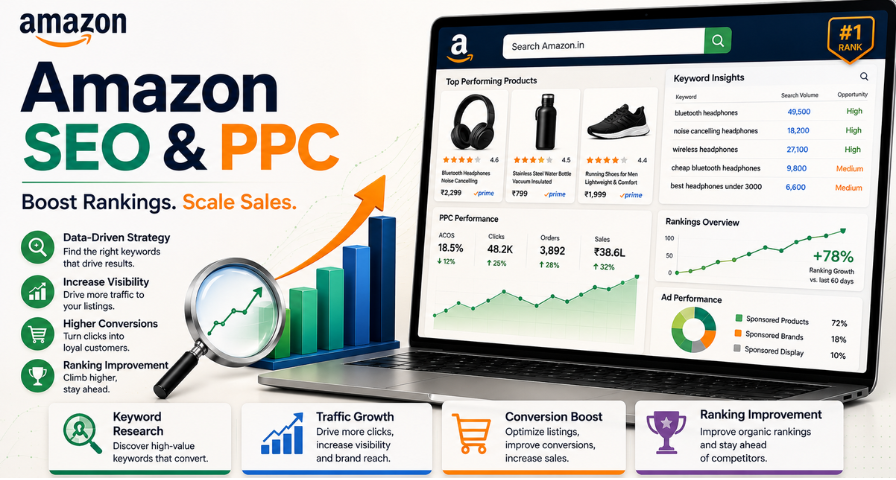
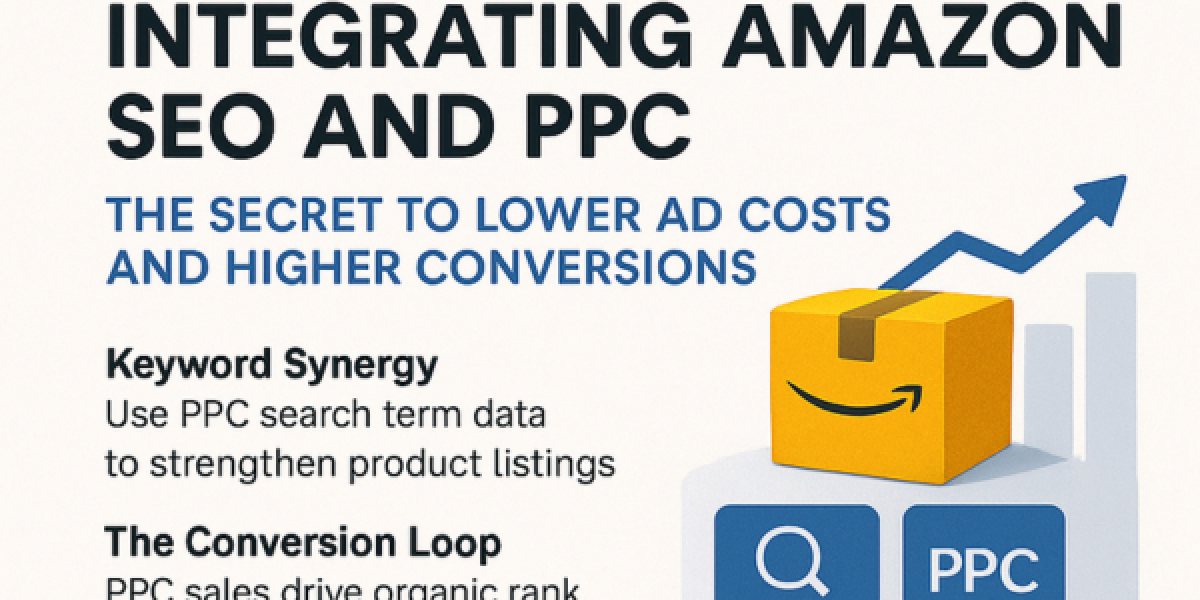
With increased competition on Amazon, sellers need more than isolated tactics. SEO and PPC work best in support of each other, creating a cycle of visibility, relevance, and conversion that strengthens your entire account. Using PPC to speed up ranking and SEO to lower ad costs, you’re building a system that compounds results rather than drains resources.
Read More
Low sales during high-traffic event days often result from a combination of factors rather than a single misstep. Oversaturation, poor visibility, mismatched discount strategies, operational limitations, and audience readiness all play a role. Brands that plan holistically, optimizing marketing, operations, and customer engagement, tend to see stronger results.
Read More
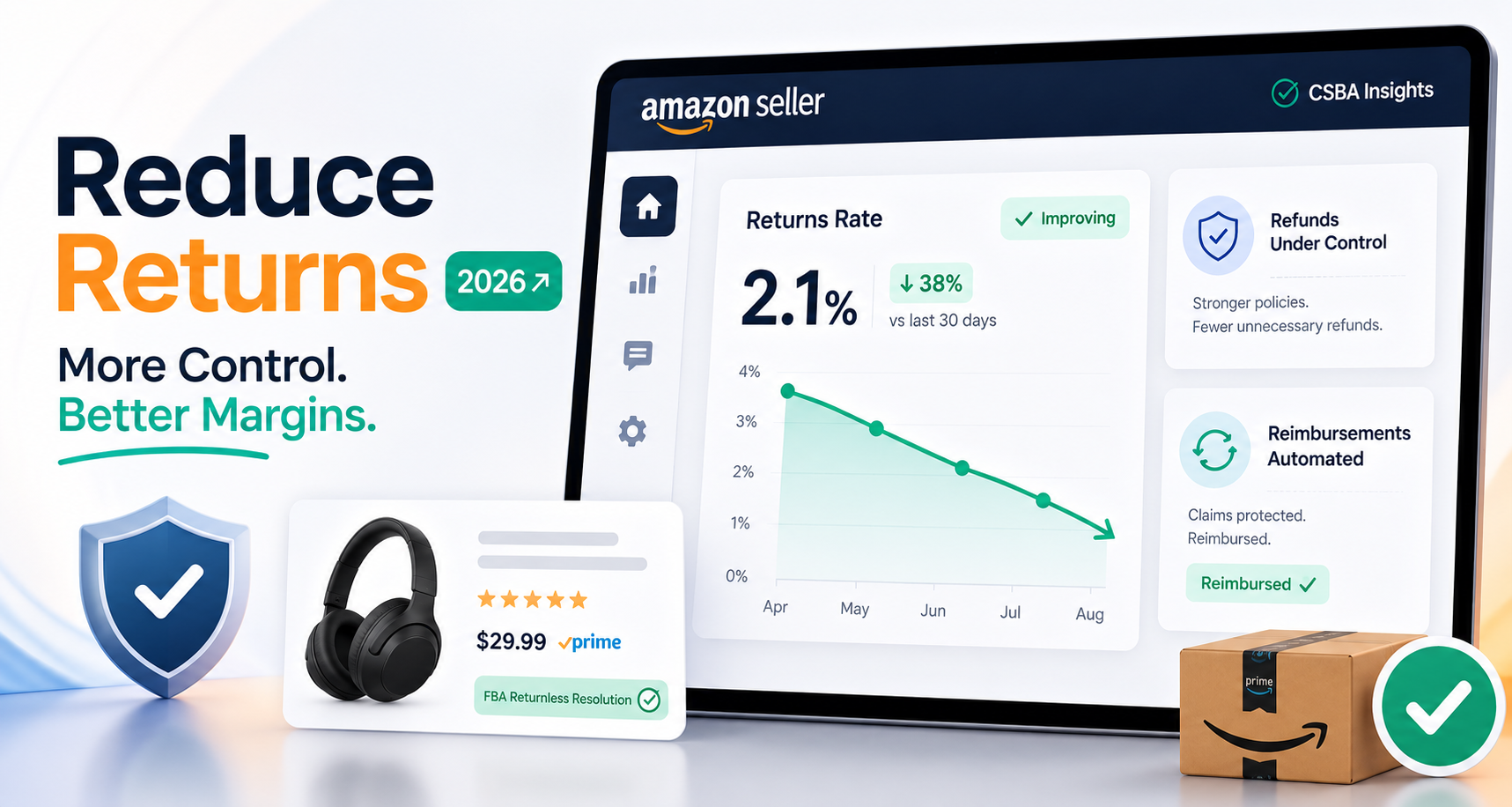
Amazon’s Returnless Resolutions by Price offers an intriguing opportunity for FBA sellers to streamline returns and reduce costs. While the feature is promising, it is not without risks. Success will depend on careful monitoring, strategic use, and understanding how it fits into broader operational goals. As with any new tool, sellers who approach it thoughtfully and proactively are likely to benefit the most, while those who rely on convenience alone may face unforeseen challenges.
Read More
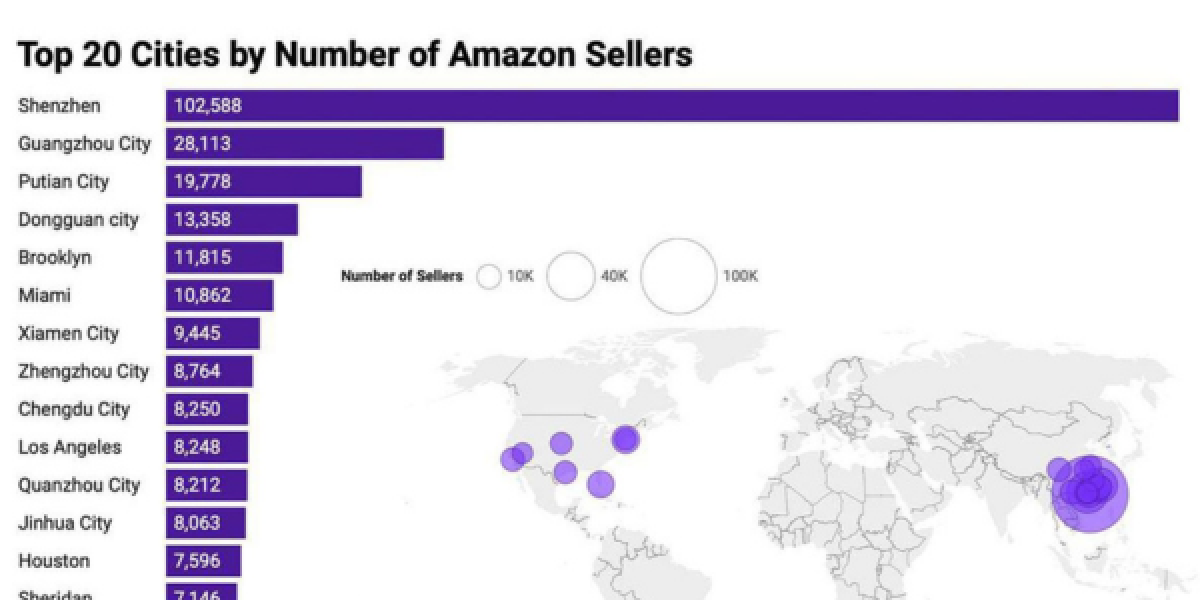
Rather than a threat, sellers may view it as a call for improvement. If it is not possible to switch suppliers, focus on creating something that the supplier cannot replicate: a better brand, improved creative assets, and a product that reflects the entrepreneur’s decisions instead of their default templates. Shenzhen-based suppliers will continue to grow on Amazon, and their presence is a reality of today’s e-commerce landscape.
Read More
Every seller knows that returns are part of doing business on Amazon. But what many don’t realize is how deeply those returns affect overall sales performance. Beyond the refund itself, returns influence how Amazon’s algorithm perceives your product and how much trust buyers place in your listing. The problem becomes more visible when that small but powerful label appears: “Frequently Returned Item.”
Read More
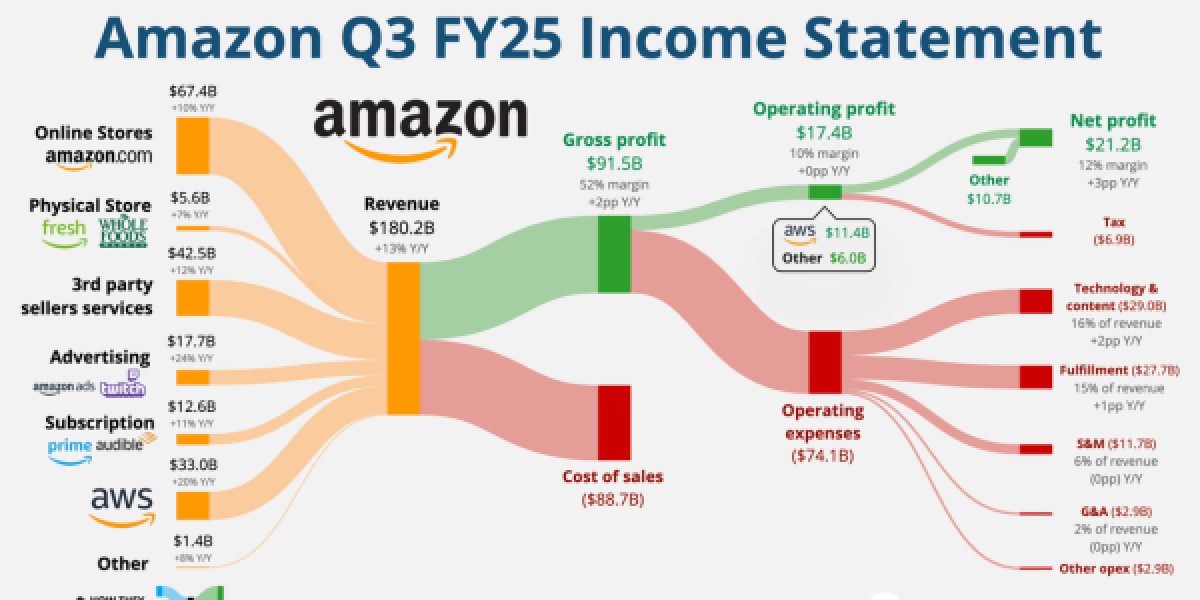
For years, analysts had wondered when Amazon would reach a point at which its sales growth finally flattened. If the latest quarterly report from the company is any indicator, that point remains nowhere in sight. Amazon said it generated a 13 percent year-over-year increase in total sales in the third quarter of 2025, once again outdoing expectations and reinforcing its dominance in global eCommerce.
Read More
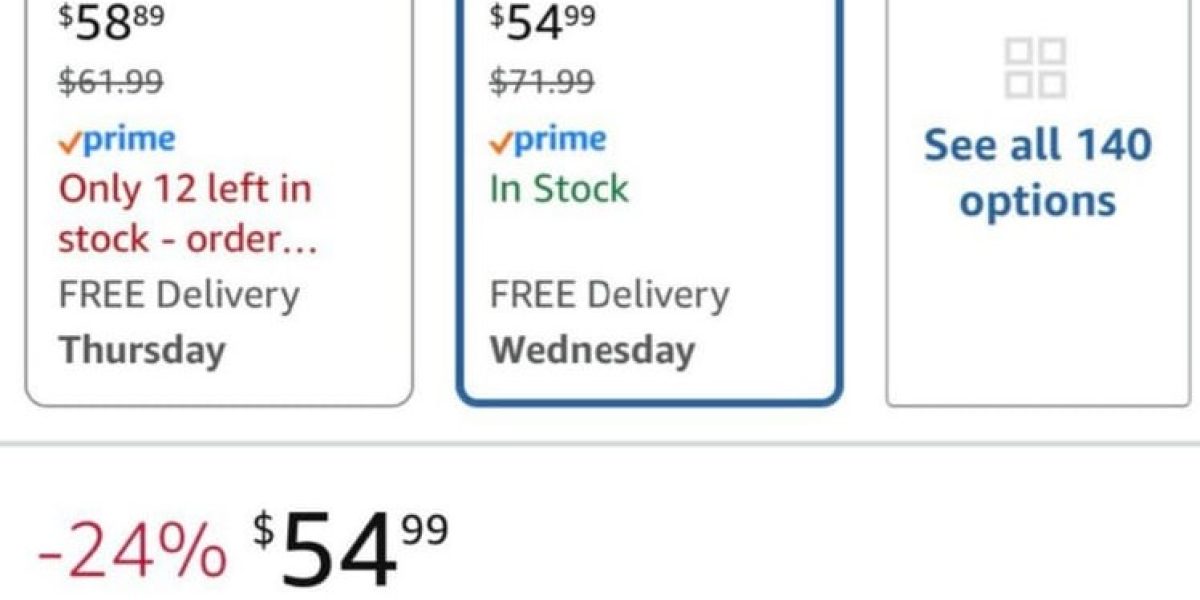
Amazon has started testing a new “Price History” feature that displays past pricing trends directly on product detail pages. It’s a small addition in appearance but a significant shift in how customers view pricing and deals. Shoppers can now see how a product’s price has changed over time, which means they’ll know if a current “discount” is truly special or simply part of a routine pattern.
Read More
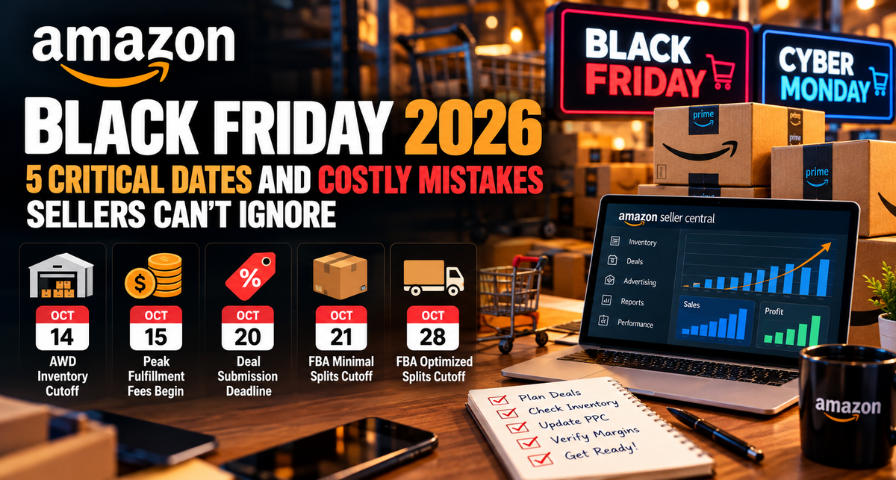
Black Friday and Cyber Monday are no longer just two shopping days on the calendar. For Amazon sellers, they mark the most competitive and high-pressure period of the year. The deals start early, customer expectations are higher than ever, and one wrong move—whether it’s running out of stock or overspending on ads—can wipe out weeks of profit. Succeeding in this environment requires more than just discounts; it calls for strategy, timing, and disciplined execution.
Read More
Amazon is quietly testing a new Price History feature on PDPs that may reshape how sellers approach pricing. While tools like Keepa and CamelCamelCamel have helped shoppers track price fluctuations for years, this time it looks like Amazon itself is ready to bring that transparency directly into the shopping experience.
Read More
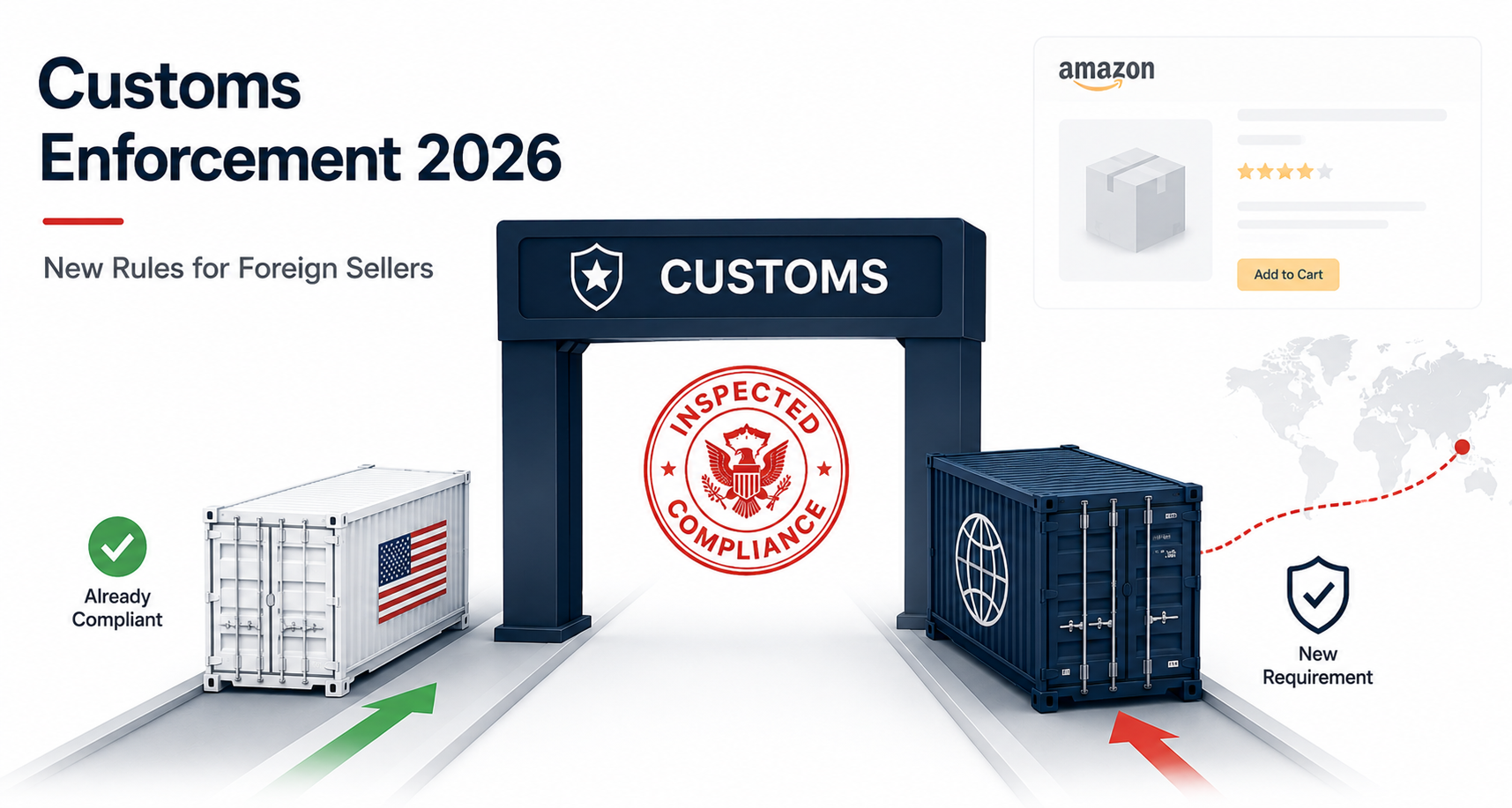
For decades, online merchants all over the world used the de minimis rule to make their U.S.-headed packages quick and cheap. As long as a package’s value was below $800, it could come into the United States duty-free and unencumbered by the troublesome hassle of customs searches. It was a small rule that had an enormous effect, driving cross-border ecommerce and giving small sellers a chance to compete internationally.
Read More
Every holiday season, Amazon adjusts its policies so that it’s convenient for customers to shop. This holiday season is no different. For the second consecutive year, Amazon has extended its holiday return policy, giving consumers extra time to return holiday purchases made during the busiest shopping months of the year.
Read More
Each year, Black Friday and Cyber Monday bring an enormous volume surge in traffic and sales on Amazon. It is the biggest opportunity for sellers to generate exposure, clear stock, and acquire new buyers. But while it’s exhilarating to catch the wave of engagement, it comes with costs and strategic decisions that can make or break your performance.
Read More
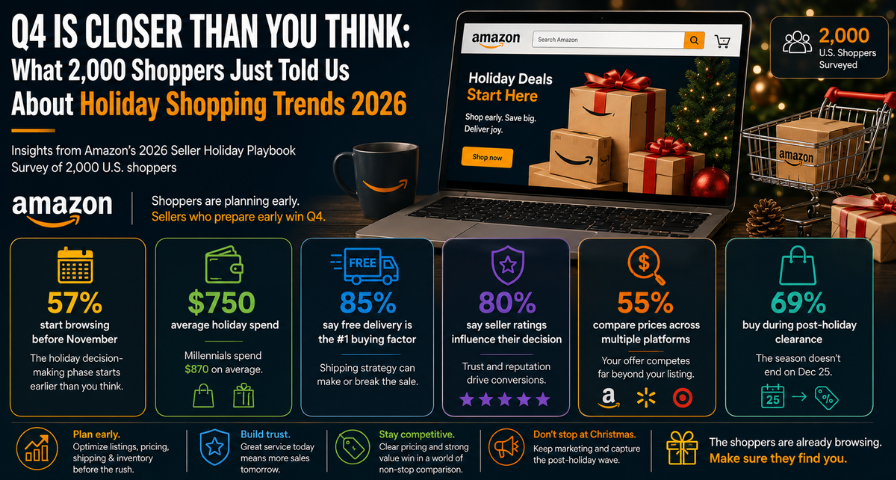
Same saga in Q4 on Amazon each year. Traffic goes through the roof, ad spend increases, and sellers scramble to get a piece of the holiday pie. This year in 2025, though, winning on Amazon isn’t about some quick win. Sellers are behaving with Q4 as a precision campaign, thoughtfully designed from the beginning, constantly optimized, and founded on data instead of gut. Let’s take a look at what’s going on this year, why it’s important, and how top brands are adjusting to this trend.
Read More
Every holiday season, sellers face the same conundrum, ,how to stand out amidst a sea of similar products. This year for the holidays, Amazon has come up with a new answer to that: by enabling customers to personalize their presents.
Read More
Every Amazon seller has said it at some point: “PPC is getting too expensive.” And to be fair, they’re not wrong — CPCs have risen, competition is tougher, and the margin for error is thinner than ever.
Read More
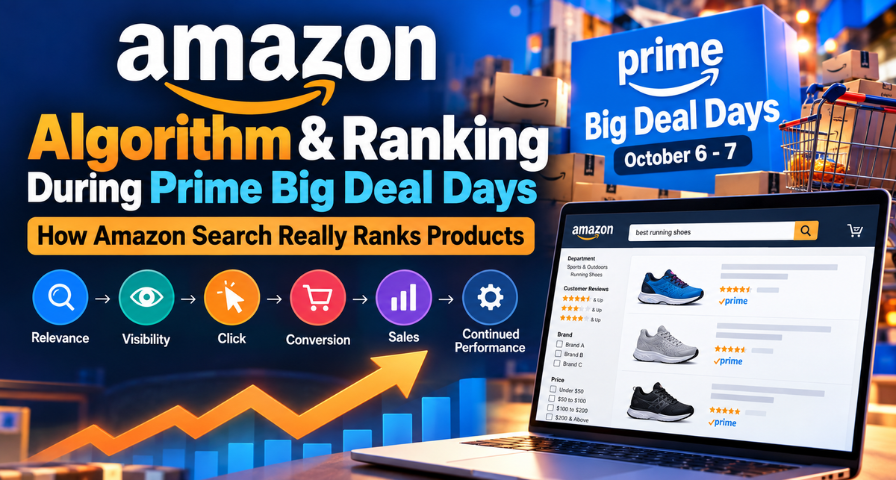
Amazon’s Prime Big Deal Days have wrapped up, and while the two-day sales rush may be over, the real opportunity for sellers is just beginning. The event generated huge traffic spikes, but what you do after the sale often matters more than what happened during it.
Read More
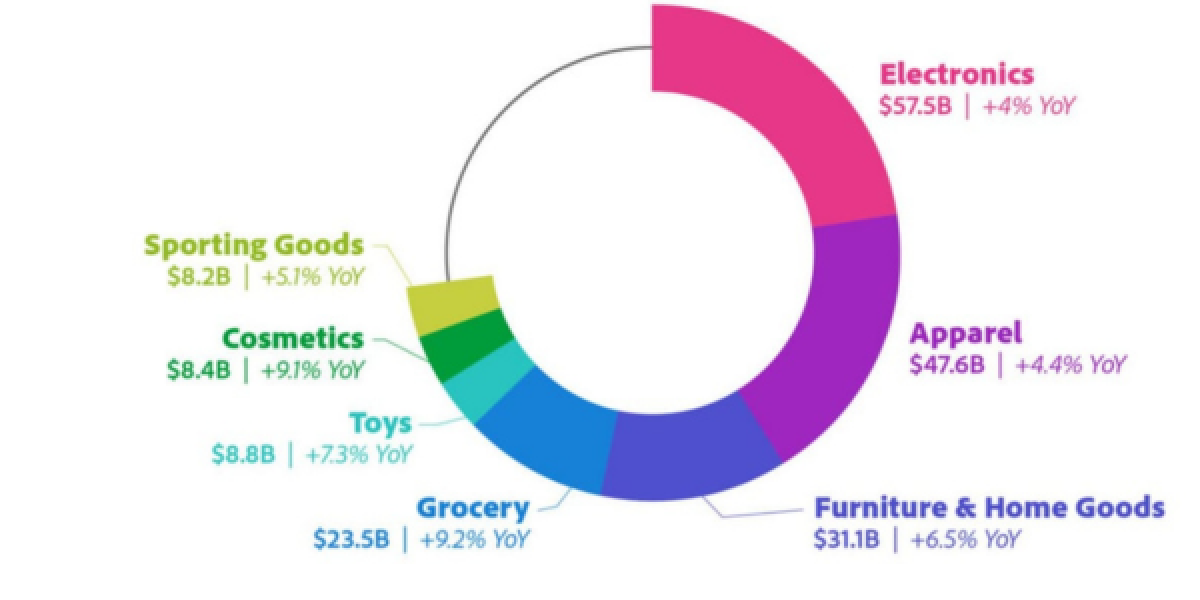
As we head into the final stretch of 2025, there is one sure thing e-commerce the upcoming U.S. holiday season is going to be one for the record books when it comes to e-commerce. Digital shoppers will spend a staggering $253.4 billion during the November 1 through December 31 period, up 5.3% over the prior year, according to Adobe’s latest stats.
Read More
The fourth quarter is already a war zone for Amazon sellers—through-the-roof traffic, orders soaring, and a deluge of returns. But this year, Amazon is throwing in a new twist. As of Oct. 1, 2025, the company has expanded its FBA partial refund policy so sellers can issue refunds without making customers send back the product.
Read More
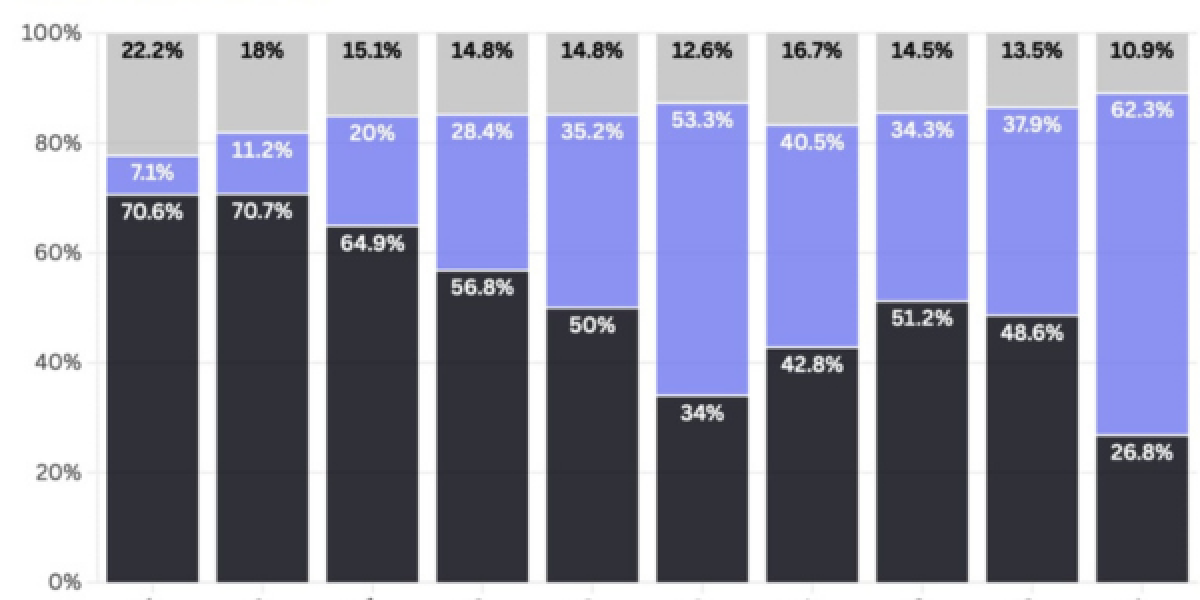
In 2015, only 7% of new Amazon sellers were based in China, whereas 70% of American-based sellers were based there. It was then a market dominated by American small businesses and private-labelers utilizing Amazon to build successful e-commerce brands.
Read More
In a move that could reshape the future of online shopping, OpenAI has officially launched Instant Checkout, transforming ChatGPT into a full-fledged shopping platform. With over 700 million weekly users and integrations with Shopify (home to over a million stores) and Etsy, ChatGPT is now not just a place to chat — it’s a place to buy.
Read More
Amazon is changing how sellers are paid again—and this one has some potential to be a significant cash flow management driver. Starting March 12, 2026, Amazon will utilize a DD+7 reserve system, which changes when funds are paid out to sellers.
Read More
Annually, Amazon’s Prime Big Deal Days set the e-commerce world abuzz. Sellers strategize weeks in advance, customers program reminders for their must-have deals, and ad investment spikes with competition heating up. On paper, it seems like a one-way ticket to sales increases for every brand—however, as with much of e-commerce, there is more to it.
Read More
Amazon has led customer-trust, marketplace fairness, and power imbalance in e-commerce debates for years. This week, the debate blew up. The Federal Trade Commission (FTC) announced this week that Amazon will pay a record $2.5 billion settlement—a combination of fines and refunds—after being accused of deceiving tens of millions of individuals into signing up for Prime and making it on purpose difficult to cancel.
Read More
There’s a particularly specific kind of pressure that builds in the days leading up to Prime Big Deal Days. It’s not merely another sale event–it’s the first big benchmark before the holiday season is really in full swing. For Amazon sellers, it might feel like waiting on the starting block of a high-stress race where timing, preparation, and precision are most important.
Read More
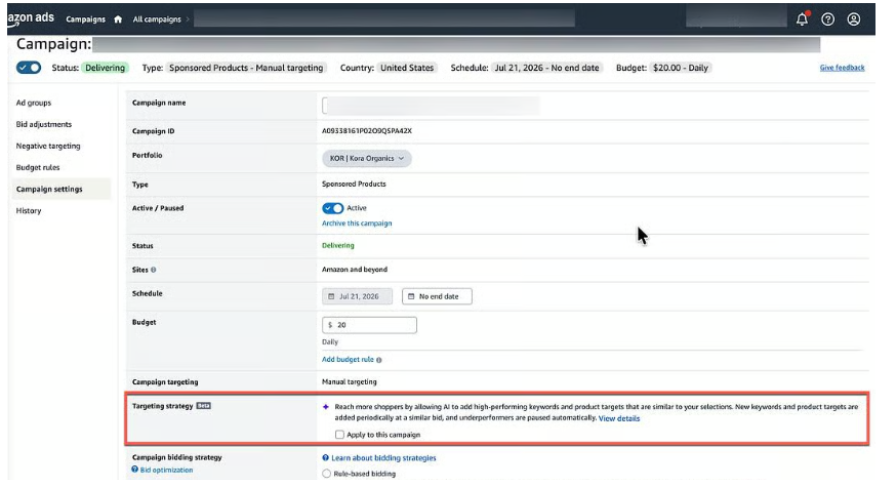
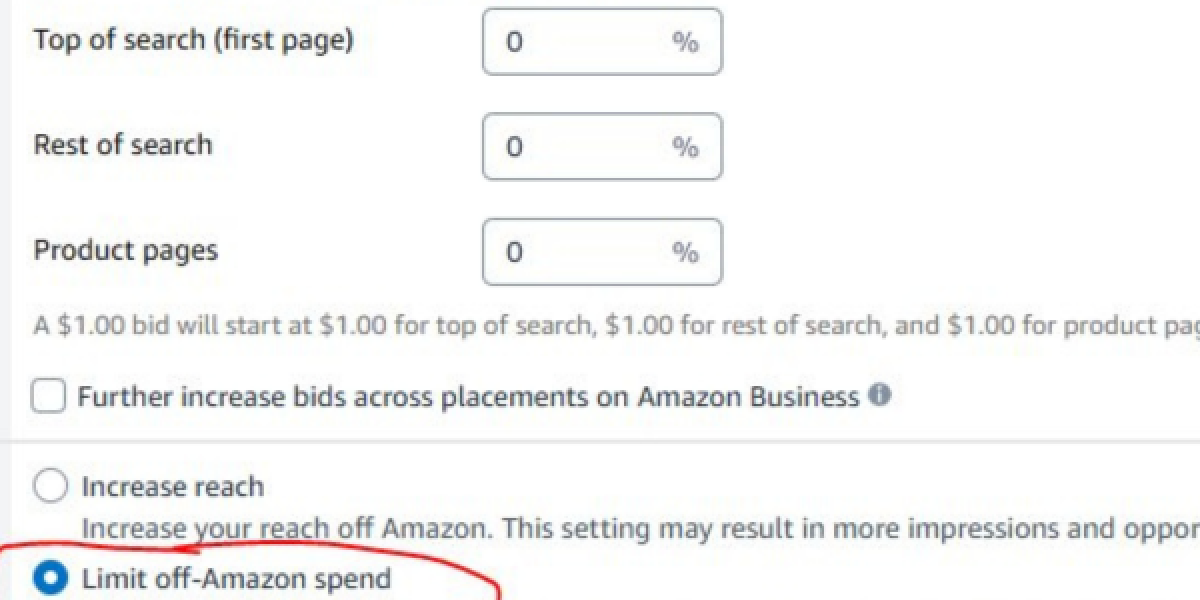
Amazon ad spend has become one of the most powerful growth levers at the disposal of e-commerce sellers. But with the platform continuously evolving, new features and default options are cropping up—maybe without even sellers realizing how they influence performance. Case in point: the “Increase Search” feature that is enabled when you create a new Sponsored Products campaign.
Read More
To the shopper, Prime Big Deal Days are thrilling—two days of discounts, bargains, and speedy delivery. To Amazon sellers, however, the same two days bring with them a very different feeling: a combination of anticipation, fear, and yes, outrage.
Read More
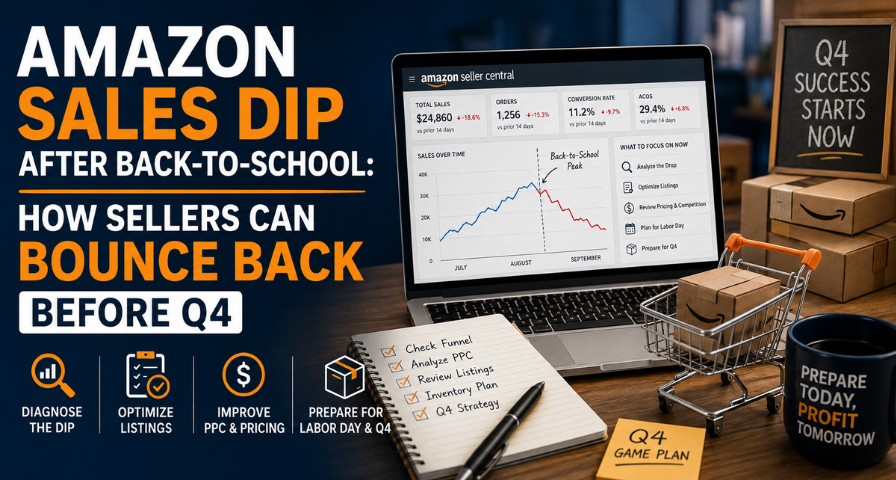
Every year, September brings a familiar challenge for Amazon sellers: a noticeable slowdown in sales. It’s not because demand disappears or customers suddenly lose interest. The real reason lies in how buyers behave when a major sales event—like October’s Prime Big Deal Days—is right around the corner.
Read More
In May 2025, Washington State passed a law that could significantly affect how Amazon sellers and advertisers manage their budgets. On May 20, 2025, Governor Bob Ferguson signed Senate Bill 5814, expanding the state’s sales tax to cover advertising services. While at first glance this may seem like just another policy update, the reality is that it has direct financial implications for businesses running Amazon Ads out of Washington.
Read More
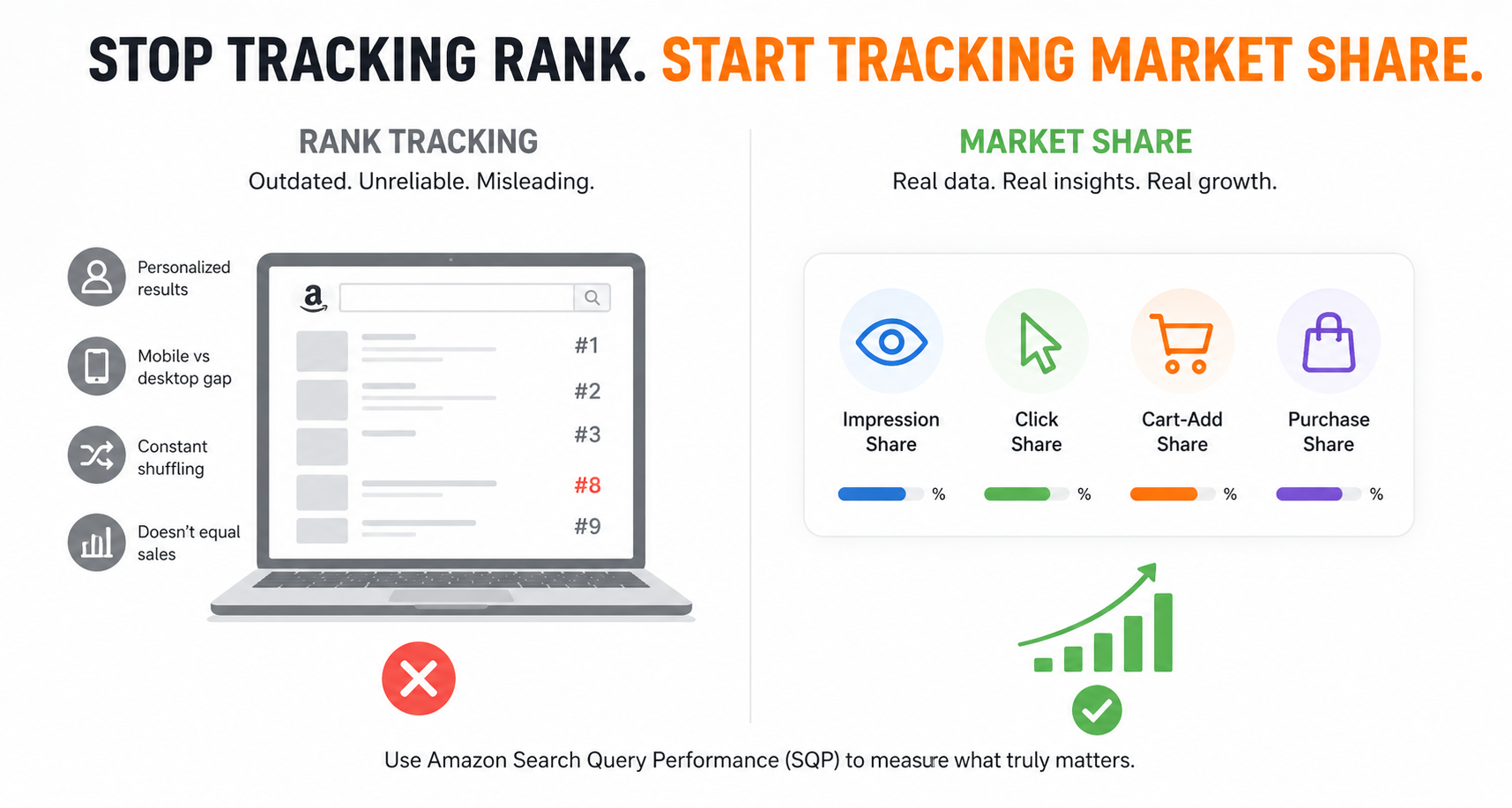
Amazon sellers have spent years pouring their time (and budgets) into keywords, ad position, and bid management. And while those levers remain crucial, the game has quietly shifted. Today’s market-share gainers are not just those driving traffic in but those converting it.
Read More
Over the past couple of months, more and more Amazon sellers have had their accounts flagged for something known as Consumer Protection Act (CPA) verification. For them, it has been puzzling, infuriating, and even leading to selling delays at times. If your account hasn’t been flagged yet, thank goodness—but do understand what this verification entails and why Amazon is doing it.
Read More
The holiday season is historically the “golden quarter” for online retailers—when traffic peaks, consumers spend more freely, and sales records are broken. But behind the backroom, an ugly reality: the busiest time of year is also the most expensive to trade.
Read More
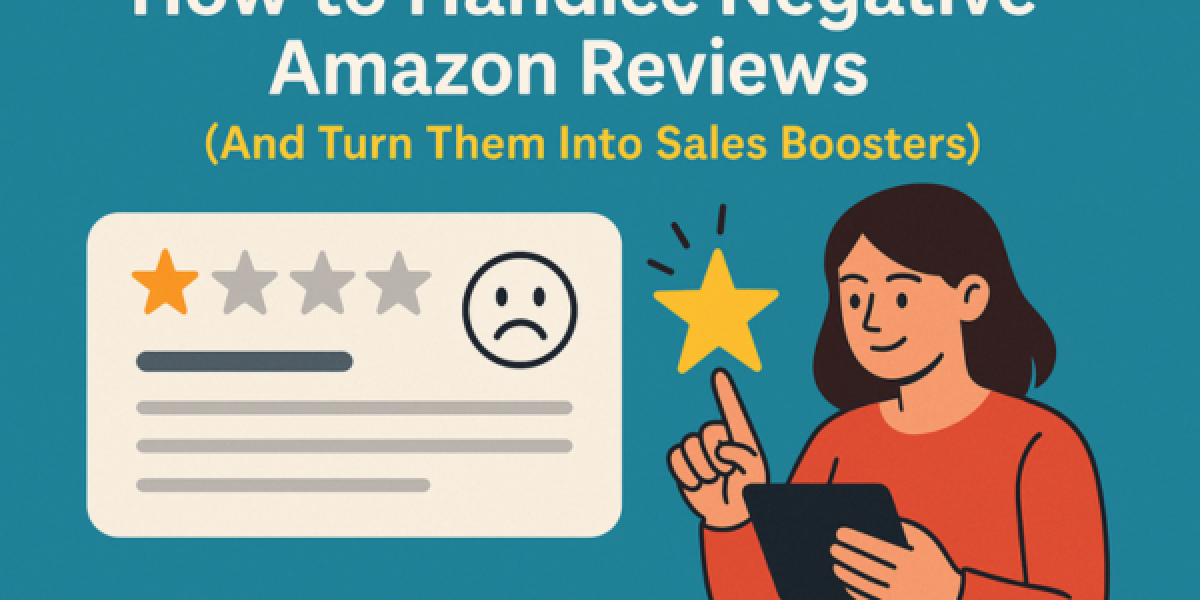
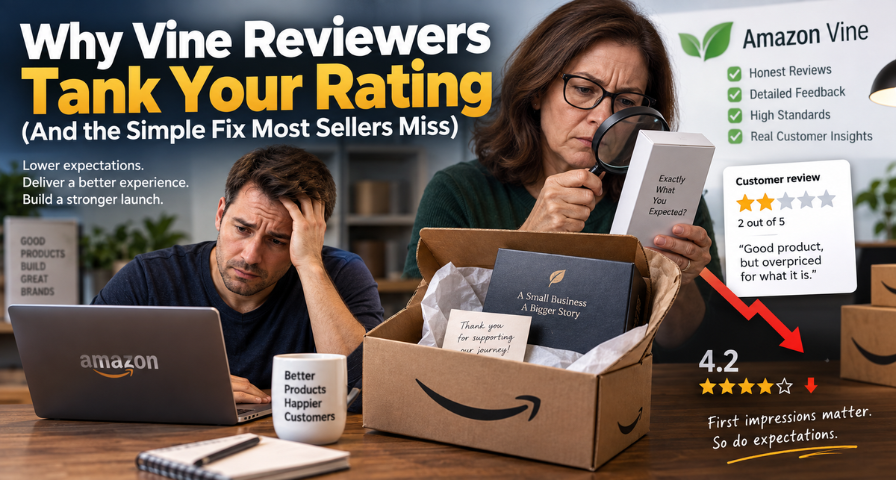
Horrible reviews are the bane of every Amazon vendor’s existence. You invest time and energy coming up with a great product, making great listings, and shelling out for advertisements—just to have a vicious one-star review lower your ratings. It’s a step back, but the truth is that bad reviews don’t always mean your business is doomed. It’s a setback, but the reality is that bad reviews don’t necessarily equate to the demise of your business.
Read More
As we picture Amazon Prime Big Deal Days, Black Friday, or Cyber Monday, the first thing that comes to mind is record-breaking sales charts and record-breaking traffic. These are being heralded as golden moments for brand awareness and acquisition of new customers. And sure, the numbers do literally read good on paper—units sold increase, rankings see a spike, and ad dashboards are running at maximum capacity.
Read More
In the high-speed environment of Amazon, it’s not enough to be ahead by simply running ads or having products in hand—it’s being the first person to see opportunities. The fact of the matter is, most sellers miss great features and updates that will make a huge impact on their sales. And by the time they realize it, the competitive advantage is lost.
Read More
Amazon is quietly rolling out tools that make life easier for sellers—and the latest one could be a game-changer. The new FBA Enrollment Opportunities, now integrated directly into Manage All Inventory, helps sellers quickly identify which products might perform better with Fulfillment by Amazon (FBA).
Read More
October has become one of the most important months on the Amazon calendar. What was once considered a “warm-up” period for Q4 is now headlined by Amazon’s Big Prime Day event—a sales surge that rivals Black Friday and Cyber Monday in terms of traffic and opportunity.
Read More
When most others discuss success on Amazon, the initial statistic they mention is revenue. They proudly post screenshots of “six-figure months” or year-over-year growth that initially appears impressive. But there exists a brutal reality behind those figures: revenue is not profit.
Read More
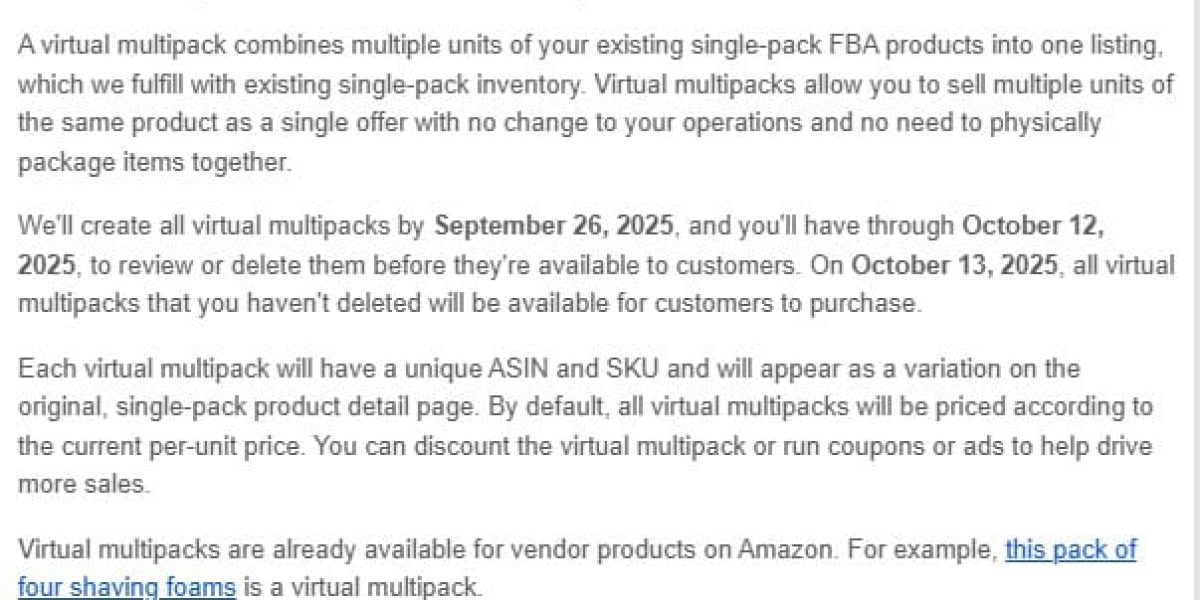
Amazon recently introduced a huge change that may redefine the way sellers maintain their catalogs and enhance sales: Virtual Multipacks for FBA brand-owned products. This reflects the continued effort on Amazon’s part to improve the shopping experience by enabling customers to buy in greater quantities more easily, and providing sellers with an effortless method of enhancing average order value.
Read More
How Amazon consumers shop is evolving—once again. Amazon has rolled out a new feature in its shopping app named Lens Live, and it could redefine how millions find products.
Read More
Each Amazon seller is aware that Q4 is do-or-die season. Black Friday, Cyber Monday, and the period leading up to Christmas comprise some of the most lucrative sales volumes of the year. It’s easy to imagine that success is achieved by raining big discounts on consumers or investing huge amounts in advertising. In fact, Q4 is no longer about following trends—it’s about implementing sound, timely adjustments.
Read More
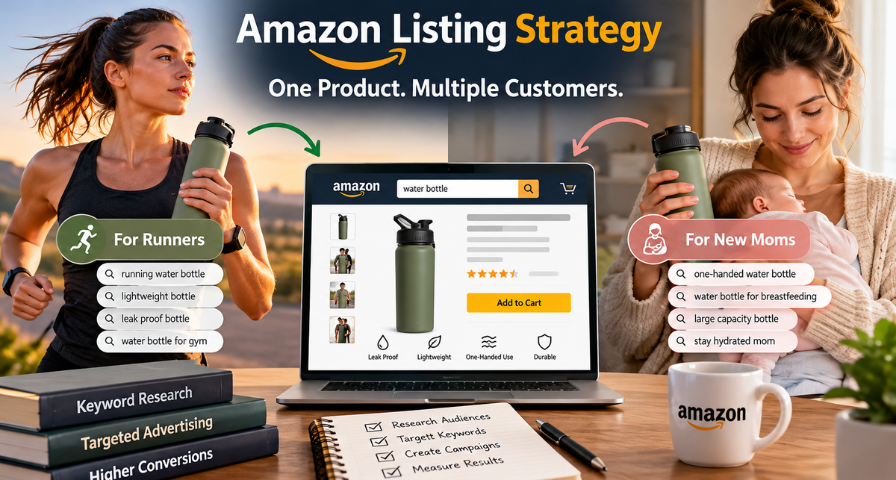
Most listings don’t fail because of bad products. They fail because the product page isn’t built to convert.
Read More
The supplement category has always been one of Amazon’s most lucrative and competitive spaces. But right now, it’s also becoming one of the riskiest. A recent compliance audit by Mr. Prime of a major supplement brand revealed something alarming: a single listing contained 23 critical violations—and most of those same violations are present in 90% of supplement listings across Amazon UK.
Read More
The Amazon seller community has been buzzing lately about Rufus, Amazon’s new AI assistant, and the Cosmo algorithm. Everywhere you look, sellers are experimenting with prompts, debating how AI will reshape search, and racing to optimize their strategies for the future.
Read More
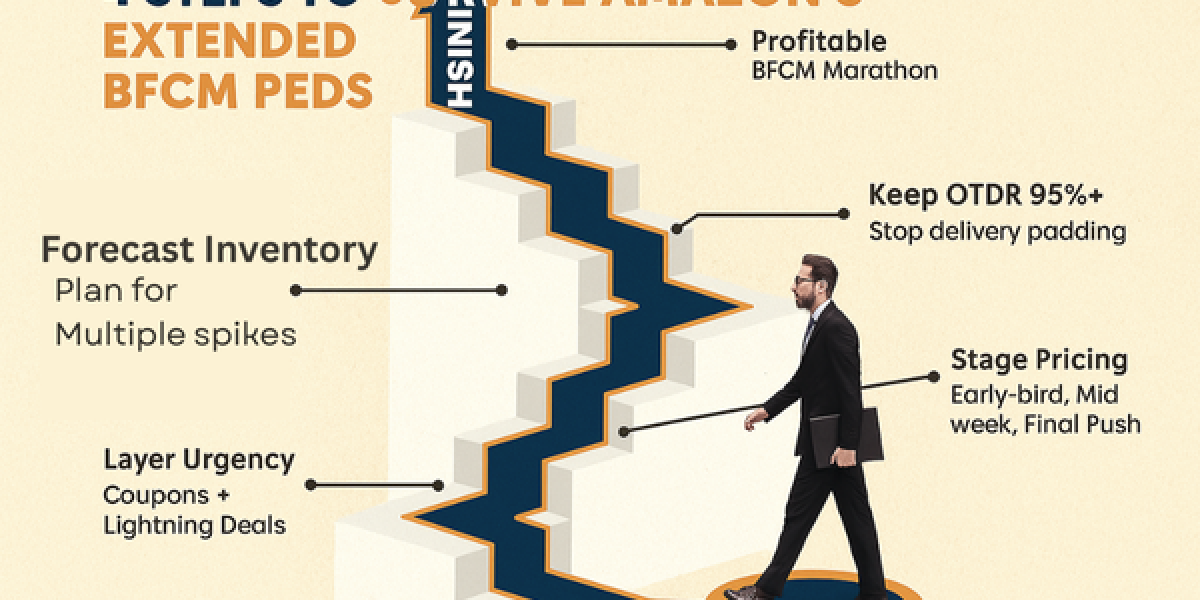
Black Friday and Cyber Monday once had the feel of a brief, frenetic dash. Merchants would cut prices, push aggressively for two days, and see inventory vanish off the shelves. But Amazon has changed the rules of the game, and what was once a weekend rush has become a weeks-long marathon.
Read More
Choosing the right product on Amazon can feel like rolling the dice. You do your research, find what looks like a profitable niche, and invest time and money into launching—only to discover months later that the product is bleeding cash. For many sellers, this realization comes too late.
Read More
When we read about Amazon success stories, the focus often highlights sellers who started with little and built businesses worth millions. But what if sellers go even further, leaving Amazon behind and creating companies that reach the billion-dollar mark?
Read More
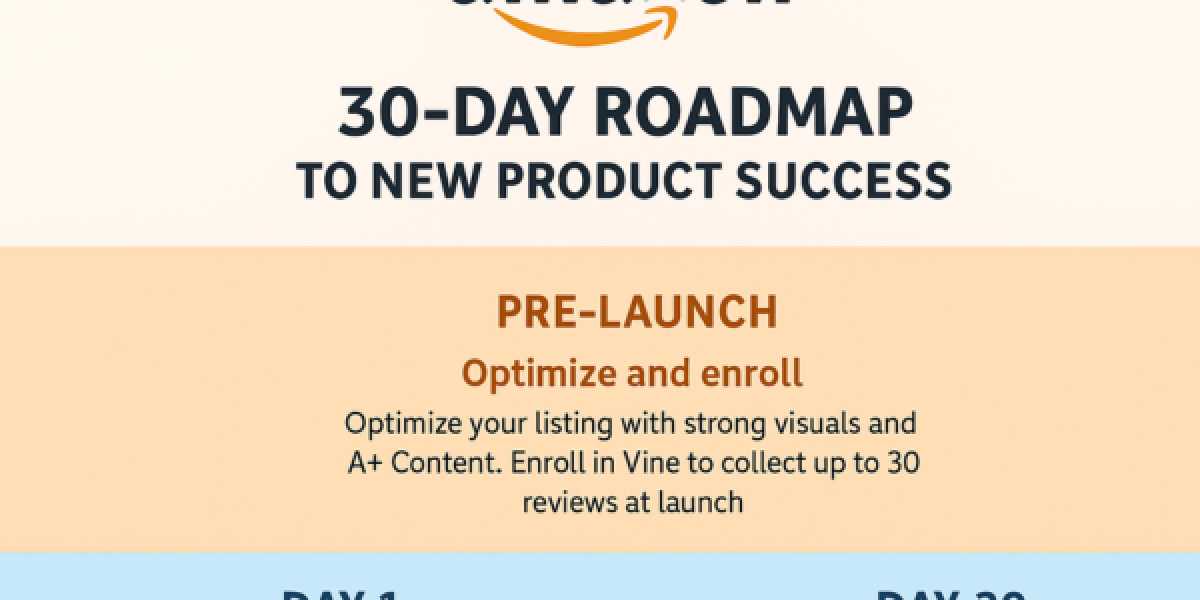
Opening up a new Amazon product can both excite and intimidate. On the one hand, you are able to sell your goods on the web’s largest store with millions of potential buyers. On the other hand, it is very cutthroat and few of those new upstarts manage to get their footing within those first few weeks.
Read More
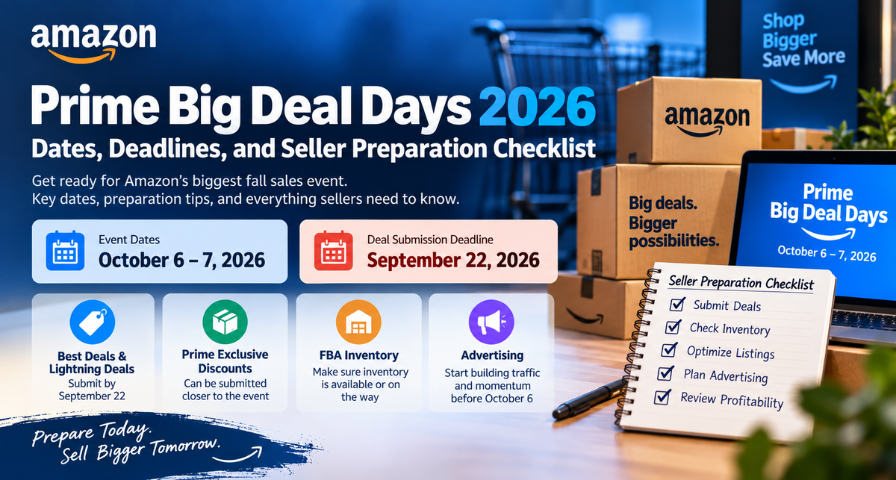
Amazon has officially announced the return of Prime Big Deal Days, its second-largest shopping holiday behind Prime Day. For sellers, it’s not just another holiday of sales—it’s an opportunity that can make or break the business to generate revenue, get rid of inventory, and attract new buyers just as the holiday shopping season is about to reach top speed.
Read More
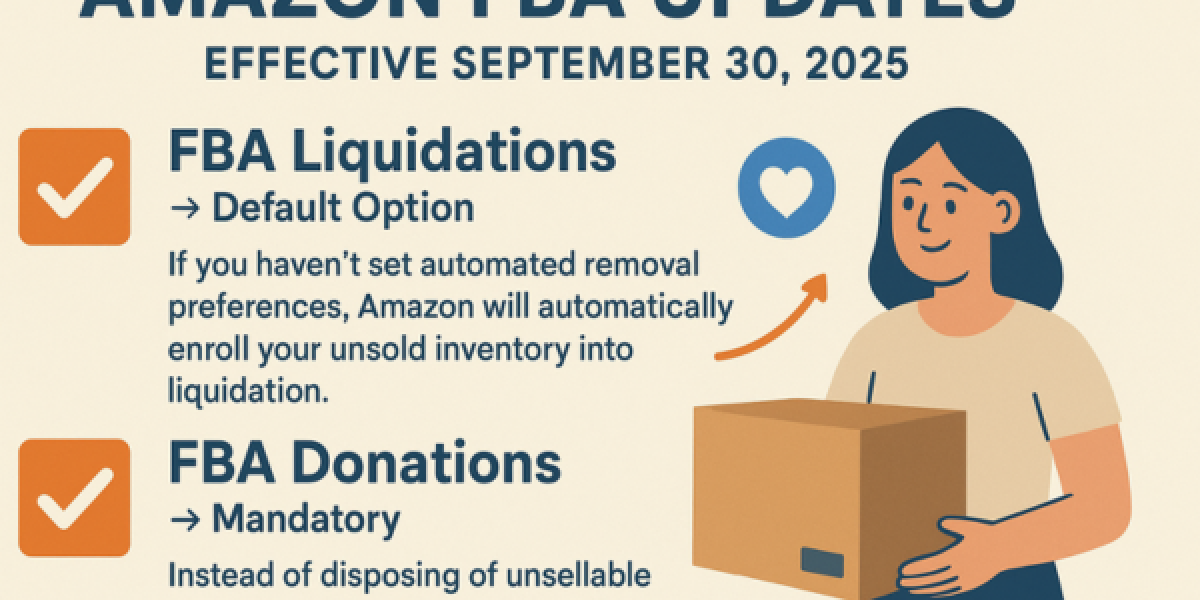
Amazon has released two significant updates to Fulfillment by Amazon (FBA) settings that will come into effect on September 30, 2025. Both developments have a direct effect on how unsold, returned, and unsellable inventory is processed within Amazon’s warehouses. Although presented as part of Amazon’s sustainability initiatives, they also influence sellers’ inventory management approaches significantly.
Read More
For years, one of the largest concerns among Amazon sellers has been the much-feared account suspension. Overnight deactivation might destroy revenue, leaving sellers desperate to appeal and wondering if their business would ever be restored. Today, Amazon has launched something that might alter this equation: Account Health Assurance (AHA).
Read More
When most vendors notice their sales on Amazon begin to decline, their initial reaction is: “Perhaps demand has slowed down.” But in most cases, it is not demand—it is visibility. More accurately, it is your Click-Through Rate (CTR) that is silently siphoning off your revenue.
Read More
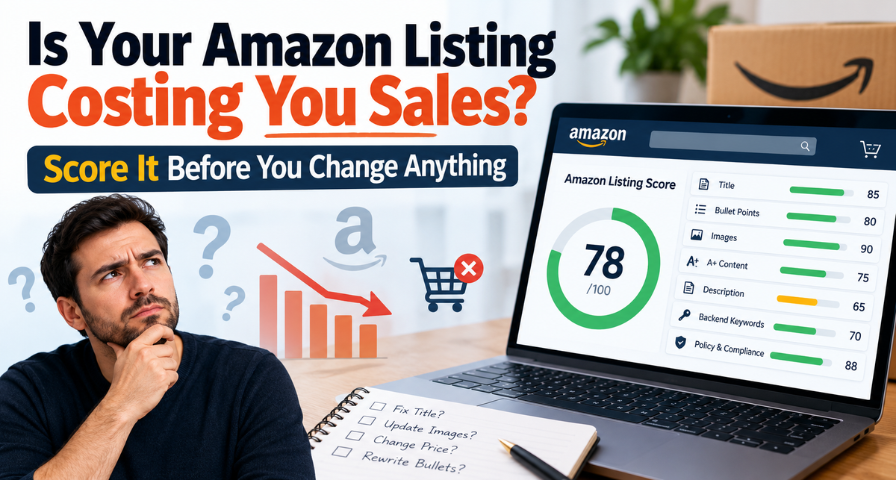
In Amazon selling, your product listing is your store, your sales pitch, and your salesperson rolled into one. In a brick and mortar store you can talk to customers, answer their questions, and convince them to purchase, but on Amazon your listing does it all for you. If you’re not optimizing it, you’re losing traffic, conversions, and ultimately profit.
Read More
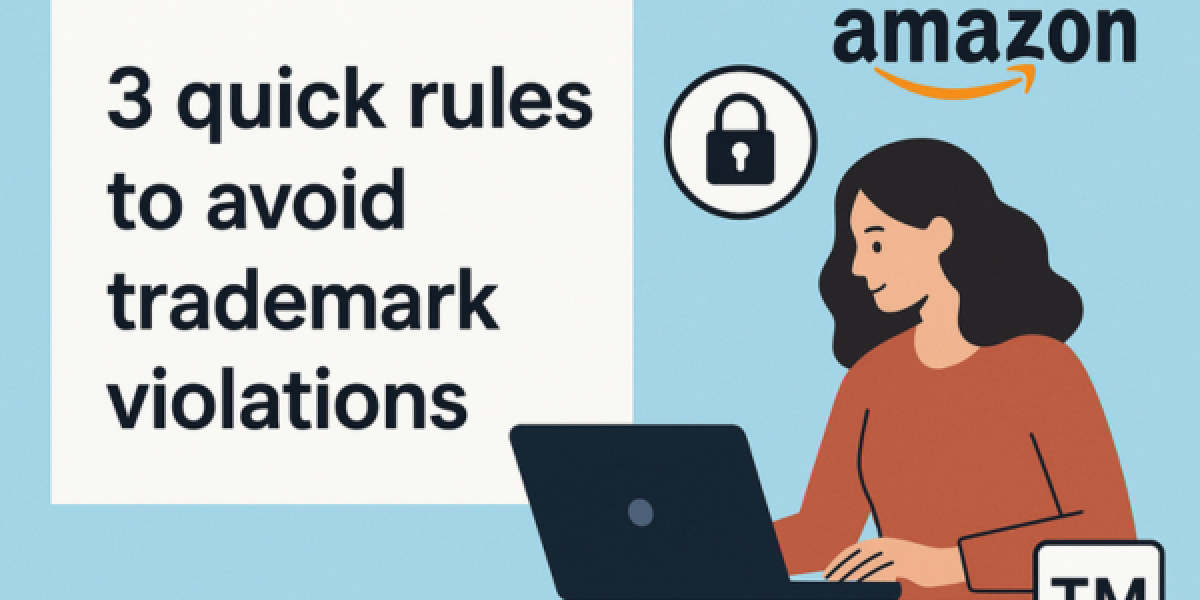
Selling on Amazon has lots of chances, but it also has strict rules that all sellers need to follow. One big mistake sellers often make is using trademarks wrong. Many people don’t mean to break Amazon’s rules when they list products, especially if those products work with popular brands.
Read More
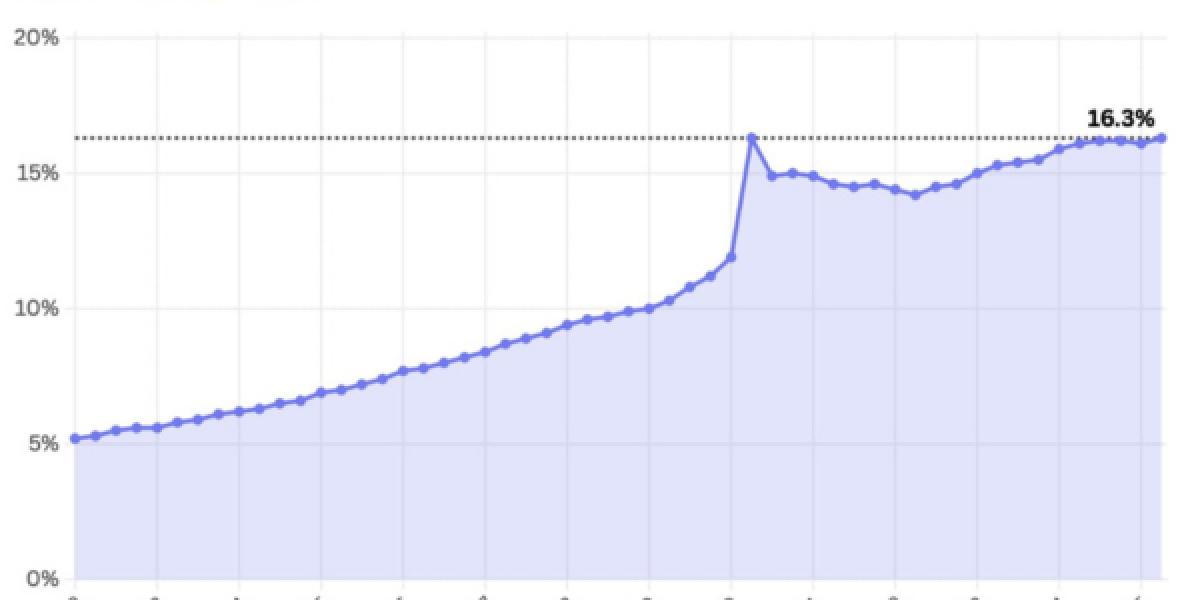
Ecommerce has crept up to a big milestone. Online sales now account for 16.3% of all retail in the United States, according to the most recent statistics from the U.S. Census Bureau. That figure may ring a bell—she’s the same percentage ecommerce temporarily accounted for in 2020, at the peak of the COVID-19 lockdowns.
Read More